Dubai, UAE +971 56 774 1007 WhatsApp
Home About
All Services ACL Surgery PCL Surgery Knee Arthroscopy Shoulder Arthroscopy Ankle Arthroscopy Elbow Arthroscopy Hip Arthroscopy Wrist Arthroscopy ACL Tear Treatment Rotator Cuff Tear Meniscus Transplant
Media
Picture Gallery Testimonials Contact 📅 Book Appointment
08
Arthroscopic Surgery · Dubai

Wrist Arthroscopy

Minimally invasive keyhole surgery to diagnose and treat wrist injuries, TFCC tears, ligament damage, and chronic wrist pain — performed by British-trained orthopaedic surgeon Dr. Mohammad Ashfaq Konchwalla at Medcare Hospital, Dubai.

TFCC Repair Ligament Injuries Ganglion Cysts Scaphoid Fracture Wrist Instability Same-Day Discharge
25+
Years Experience
30–90
Min Procedure
48h
Appointment Wait
FRCS
Royal College Certified
What is Wrist Arthroscopy?

Keyhole Surgery for the Wrist Joint

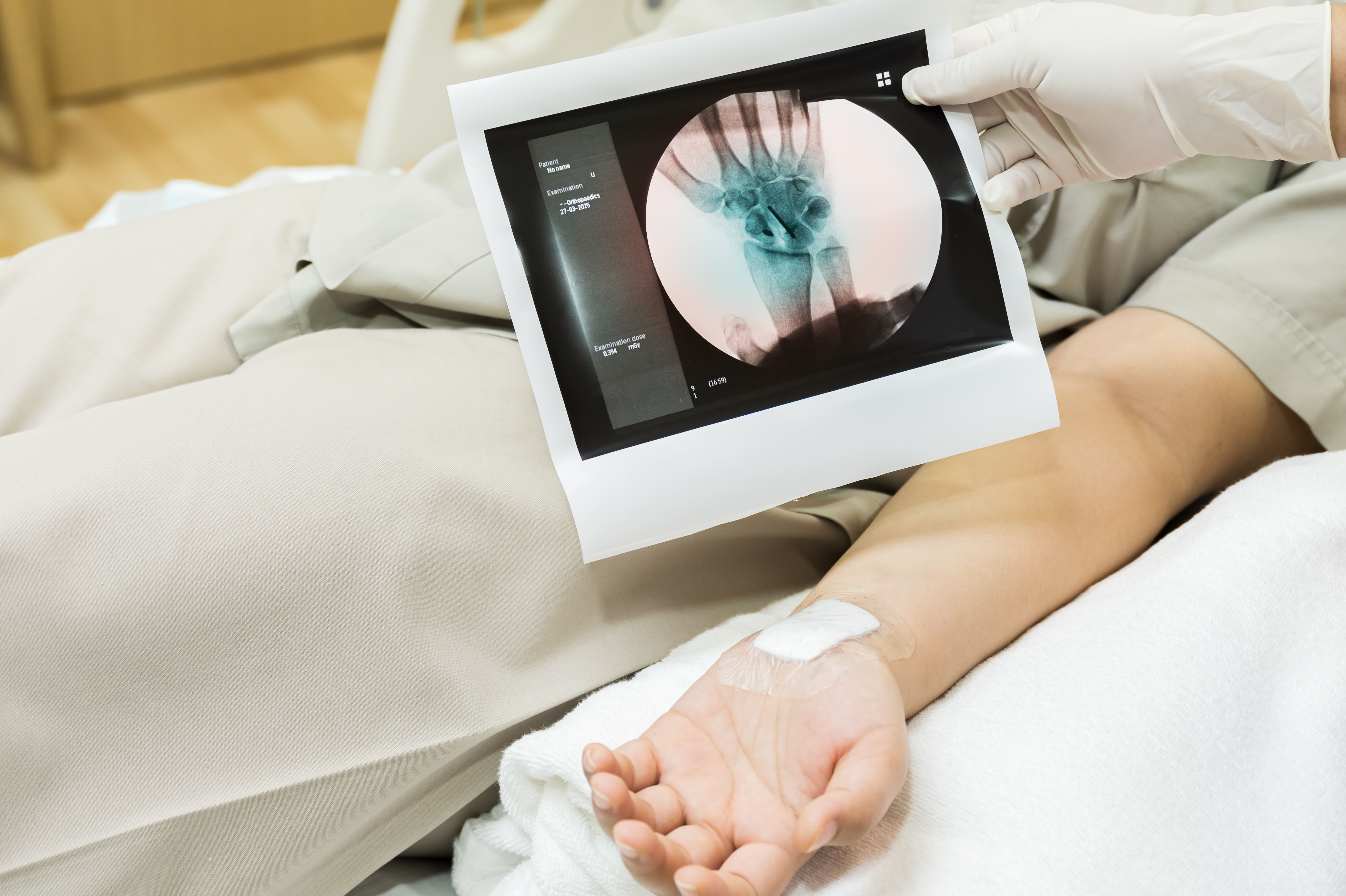
Wrist arthroscopy is a minimally invasive surgical procedure that allows Dr. Konchwalla to directly visualise and treat problems inside the wrist joint through small portals of just 3–5 mm. A tiny high-definition arthroscope — no wider than a pencil — is introduced into the joint alongside precision miniature instruments, while finger-trap traction gently distracts the wrist to create the space needed for safe access. Fluid is carefully pumped in to distend the joint, providing exceptional clarity of the wrist's intricate internal anatomy on a high-definition monitor.

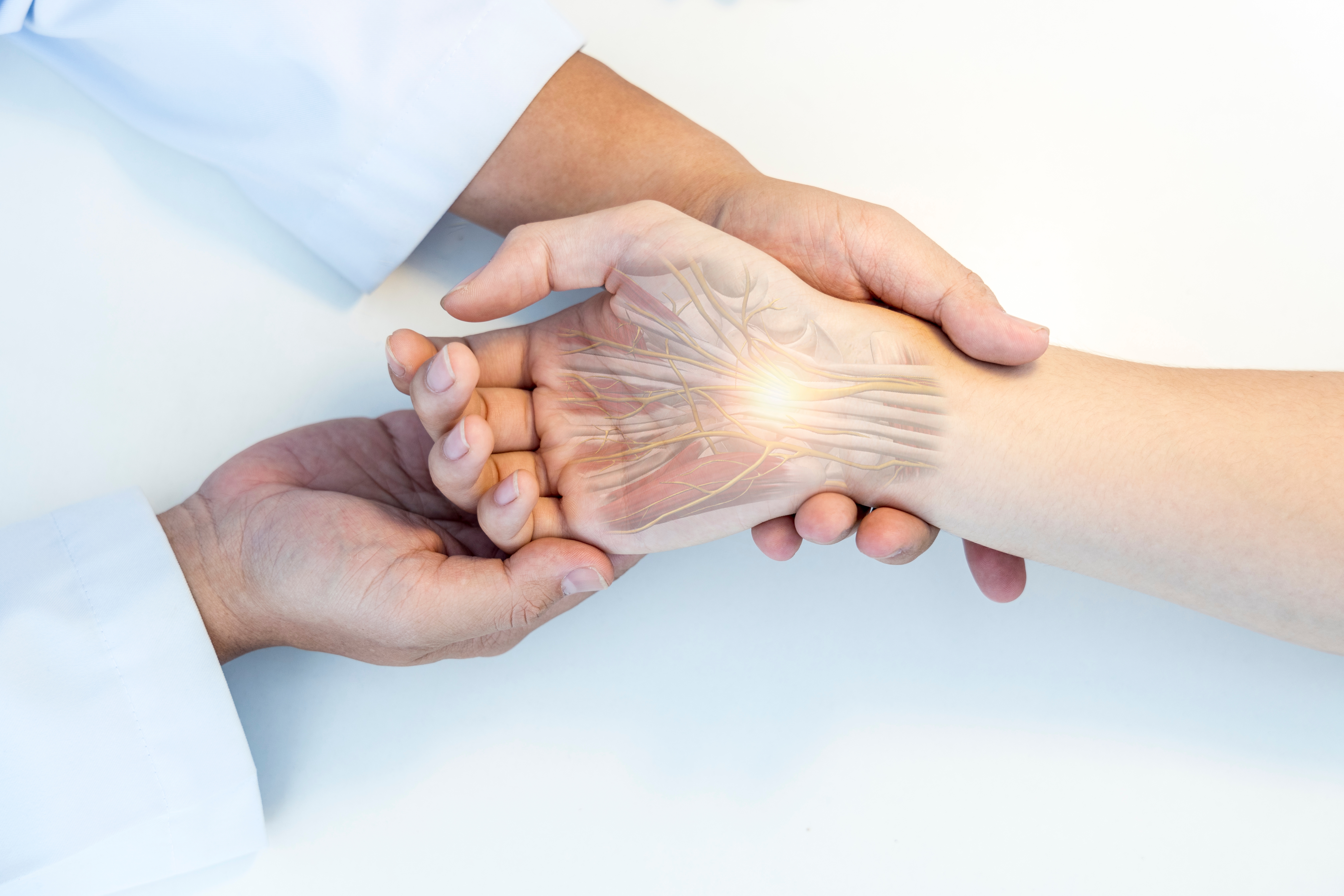
The wrist is among the most complex joints in the human body — a collection of eight small carpal bones held together by an intricate network of ligaments, cushioned by the triangular fibrocartilage complex (TFCC), and serving as the critical link between the forearm and hand. Any disruption to this delicate architecture — whether from a fall, a twisting injury, repetitive sport loading, or gradual degeneration — can cause persistent chronic wrist pain, clicking, swelling, weakness, and instability that dramatically impairs hand function and daily life. Wrist arthroscopy allows Dr. Konchwalla to both diagnose and treat these problems with the highest precision and the smallest possible surgical footprint.

Wrist arthroscopy is widely recognised as the gold standard diagnostic and therapeutic tool for chronic wrist pain where MRI has been inconclusive, and for the definitive treatment of TFCC tears, scapholunate ligament injuries, and intra-articular fractures. Dr. Konchwalla's FRCS training, extensive upper limb surgical experience, and two decades of specialist practice ensure that every wrist arthroscopy procedure is performed to the very highest British surgical standards at Medcare Hospital Dubai.

Wrist Arthroscopy Dubai — Dr. Konchwalla
Procedure Type
Minimally Invasive Arthroscopic Surgery
2–4 portals 3–5 mm
Duration
30–90 Minutes
Simple ganglion excision or TFCC débridement is completed quickly; ligament reconstruction and fracture reduction take longer.
Anaesthesia
General or Regional
Bier block or axillary nerve block provides excellent intra- and post-operative pain control.
Hospital Stay
Day Case Surgery
Same-day surgery with no overnight admission required.
Post-Op
Wrist Splint 1–6 Weeks
Duration depends on the procedure. Débridement requires a short splint; TFCC repair and ligament reconstruction require longer immobilisation.
"Wrist arthroscopy is the gold standard for chronic wrist pain — providing direct visualisation and precision treatment that surpasses even MRI arthrogram in diagnostic accuracy."
— Dr. Mohammad Ashfaq Konchwalla, FRCS
Consultant Surgeon
Dr. Mohammad Ashfaq Konchwalla
FRCS (Eng), FRCS (Glas), FRCS (Tr & Ortho) — King's College London
Location
Medcare Hospital Dubai
22A Street, From Sheikh Zayed Road, 2nd Interchange, Dubai.
Book
Appointments available within 48 hours
Understanding the Wrist

Anatomy of the Wrist Joint

The wrist is not a single joint but a complex series of articulations between the distal radius and ulna and the eight small carpal bones. The stability of this architecture depends entirely on an intricate network of intrinsic and extrinsic ligaments, the TFCC, and the integrity of the articular cartilage.
Cushions the ulnar carpus, stabilises the DRUJ, and enables pain-free forearm rotation and grip loading. The TFCC is the most commonly injured structure treated by wrist arthroscopy.
Primary intrinsic stabiliser of the proximal carpal row; its disruption leads to SLAC wrist arthritis (Scapholunate Advanced Collapse). SL ligament tears are the most common significant wrist ligament injury.
The main wrist joint between the distal radius and the proximal carpal row; accessed first during arthroscopy. Together with the midcarpal joint, it allows the wrist its remarkable range of motion.
The joint between the proximal and distal carpal rows; assessed separately for midcarpal instability and ligament grading during wrist arthroscopy.
Smooth hyaline cartilage lining all joint surfaces; once lost, cannot regenerate — making early treatment essential to prevent progressive arthritis and loss of wrist function.
Why Choose Arthroscopy

Benefits of Minimally Invasive Wrist Surgery

Wrist arthroscopy offers decisive advantages over open wrist surgery and non-surgical diagnostic imaging alone — delivering both superior diagnosis and superior treatment outcomes through the same small portals.
Wrist arthroscopy is the definitive diagnostic tool for TFCC tears, ligament injuries, and cartilage damage — providing direct visualisation that surpasses even MRI arthrogram in accuracy for complex pathology.
Small 3–5 mm portals versus the large incisions of open wrist surgery — preserving the delicate tendons, nerves, and vascular structures of the wrist and dramatically reducing post-operative pain, stiffness, and recovery time.
The same keyhole procedure that provides the definitive diagnosis can simultaneously treat what is found — repairing a TFCC tear, débriding a ligament, or excising a ganglion — without a separate surgical episode.
Treating ligament injuries early — before carpal malalignment and cartilage loss develop — prevents SLAC and SNAC wrist arthritis. Early arthroscopic intervention is the most powerful tool for preserving long-term wrist function.
Conditions Treated

What Can Wrist Arthroscopy Treat?

Dr. Konchwalla uses wrist arthroscopy in Dubai to treat a comprehensive range of wrist conditions — from acute sports injuries and post-traumatic wrist pain to chronic ligament instability and degenerative joint problems that limit hand function and grip strength.

TFCC Tears (Triangular Fibrocartilage Complex)

The triangular fibrocartilage complex (TFCC) is the most commonly injured structure treated by wrist arthroscopy. This intricate cartilage and ligament structure occupies the ulnar (little finger) side of the wrist — cushioning the distal row of carpal bones, stabilising the distal radioulnar joint (DRUJ), and enabling smooth forearm rotation. TFCC tears cause ulnar-sided wrist pain, painful clicking with forearm rotation, weakness in grip and wrist loading, and a sensation of instability. There are two types: Type 1 (traumatic) tears result from a fall on an outstretched hand, a sudden twisting force, or a distal radius fracture — and are repaired arthroscopically with suture anchors restoring the TFCC to its foveal attachment. Type 2 (degenerative) tears result from progressive cartilage wear over time, often associated with positive ulnar variance; these are treated with arthroscopic débridement and any required ulnar-shortening correction. Arthroscopic TFCC repair allows Dr. Konchwalla to precisely identify the tear type, location, and extent — delivering targeted treatment impossible with any other diagnostic modality.
At a Glance
Location
Ulnar side of wrist
Symptoms
Pain, clicking, grip weakness
Treatment
Arthroscopic repair or débridement
Recovery
4–6 weeks splint (repair)

Scapholunate & Lunotriquetral Ligament Injuries

The scapholunate (SL) and lunotriquetral (LT) ligaments are the principal intrinsic stabilising ligaments of the wrist — binding together the small carpal bones and maintaining the precise alignment essential for pain-free, powerful wrist function. SL ligament tears are the most common significant wrist ligament injury, occurring in falling athletes, ball sport players, and gymnasts. They cause a characteristic dorsal radial wrist pain, reduced grip strength, a clunking sensation, and — if untreated — progressive wrist instability leading to SLAC wrist arthritis (Scapholunate Advanced Collapse). Wrist arthroscopy is the gold standard for diagnosing and grading SL and LT ligament injuries: the Geissler arthroscopic classification precisely grades the tear from Grade 1 (partial) to Grade 4 (complete). Treatment ranges from arthroscopic thermal shrinkage and débridement for partial tears, to ligament repair or reconstruction for complete instability. Early, accurate treatment is critical to prevent irreversible carpal malalignment and arthritis.
At a Glance
Location
Proximal carpal row
Symptoms
Dorsal pain, clunking, weakness
Grading
Geissler Grade 1–4
Risk if Untreated
SLAC wrist arthritis

Wrist Ganglion Cysts

Wrist ganglion cysts are fluid-filled sacs arising from the joint capsule or tendon sheath — most commonly from the scapholunate ligament on the dorsal (back) of the wrist, or from the volar (palm) aspect of the wrist. They cause a visible lump, aching wrist pain, weakness, and tenderness. While aspiration (needle drainage) is often the first treatment, recurrence rates after aspiration are high (up to 50%). Arthroscopic ganglion excision removes the cyst stalk at its origin from within the joint — providing complete excision under direct visualisation with a significantly lower recurrence rate than aspiration, and a faster, less scarred recovery than open surgical excision. The arthroscopic approach also allows Dr. Konchwalla to simultaneously assess and treat any associated ligament pathology that may have contributed to ganglion formation, such as partial SL ligament tears.
At a Glance
Location
Dorsal or volar wrist
Symptoms
Lump, aching pain, weakness
Treatment
Arthroscopic excision
Recovery
2–3 weeks to normal activity

Scaphoid Fractures & Non-Union

The scaphoid is a small boat-shaped carpal bone at the base of the thumb that fractures commonly in young athletes falling on an outstretched hand. Scaphoid fractures are notoriously easy to miss on initial X-ray, and delayed or inadequate treatment leads to avascular necrosis (bone death) and scaphoid non-union — both of which progress rapidly to wrist arthritis. Arthroscopic-assisted scaphoid fixation allows Dr. Konchwalla to confirm fracture reduction with direct joint visualisation while inserting a compression screw through a minimally invasive approach — achieving anatomical healing without the extensive soft tissue disruption of open surgery. For established scaphoid non-union, arthroscopy defines the extent of articular damage and guides the surgical reconstruction plan, including bone grafting decisions.
At a Glance
Location
Base of thumb (scaphoid bone)
Cause
Fall on outstretched hand
Treatment
Arthroscopic-assisted fixation
Risk if Untreated
Avascular necrosis, non-union

Wrist Synovitis & Inflammatory Arthritis

Chronic synovitis — inflammation of the wrist joint lining — causes persistent wrist pain, swelling, warmth, and progressive stiffness. It is particularly common in patients with rheumatoid arthritis, psoriatic arthritis, and other inflammatory arthropathies, where the proliferating synovial pannus actively erodes cartilage and bone if left untreated. Arthroscopic wrist synovectomy provides comprehensive removal of the inflamed synovial tissue through small portals, accessing all recesses of both the radiocarpal and midcarpal joints — offering superior clearance compared to open synovectomy with significantly faster recovery and less post-operative stiffness. The procedure relieves pain, reduces swelling, and slows the progression of joint destruction. Wrist arthroscopy also allows simultaneous assessment and treatment of any associated TFCC tears or cartilage damage found in the inflamed joint.
At a Glance
Cause
Rheumatoid / inflammatory arthritis
Symptoms
Pain, swelling, stiffness
Treatment
Arthroscopic synovectomy
Benefit
Slows joint destruction

Wrist Cartilage Damage & Loose Bodies

Articular cartilage damage inside the wrist — on the distal radius, proximal carpal row, or TFCC — causes deep aching pain, clicking, and loss of smooth wrist movement. Cartilage damage develops from acute injuries, as a complication of untreated instability (SLAC or SNAC wrist), from inflammatory arthritis, or from repetitive loading in gymnasts and heavy manual workers. Loose bodies — detached fragments of bone or cartilage — cause unpredictable mechanical locking and catching of the wrist that progressively worsens. Wrist arthroscopy with HD visualisation allows Dr. Konchwalla to directly assess cartilage quality across all articular surfaces, perform chondroplasty (cartilage smoothing), and remove all loose bodies — restoring smooth, pain-free wrist mechanics. In the right patient, these procedures provide reliable and durable symptom relief.
At a Glance
Cause
Injury, instability, arthritis
Symptoms
Aching, clicking, locking
Treatment
Chondroplasty, loose body removal
Outcome
Reliable symptom relief
The Procedure

How Wrist Arthroscopy Works

Every wrist arthroscopy at Medcare Hospital Dubai follows a precise, systematic surgical approach that ensures comprehensive assessment of all wrist compartments and targeted treatment of any pathology identified.
01

Clinical Assessment & Imaging

Pre-Op
Detailed clinical examination maps the pain location and provocative manoeuvres. MRI arthrogram (contrast-enhanced MRI) identifies ligament and TFCC tears. Plain X-rays assess carpal alignment and ulnar variance. Surgical plan is finalised.
Clinical Exam MRI Arthrogram X-Ray
Duration
30–45 min consultation
Imaging
MRI arthrogram + X-rays
02

Anaesthesia & Traction Setup

Day of Surgery
General or regional anaesthesia (Bier block or axillary nerve block) is administered. The patient is positioned supine with the arm elevated on a hand table. Finger-trap traction is applied to distract the wrist joint, creating space for safe arthroscope insertion.
General / Regional Finger-Trap Traction
Anaesthesia
Bier block or axillary block
Position
Supine, arm on hand table
03

Arthroscopic Visualisation

Intra-Op
Standard dorsal 3-4 and 4-5 portals are created with precise anatomical placement. Fluid distends the joint. The radiocarpal joint is assessed systematically — TFCC, SL and LT ligaments, cartilage surfaces. The midcarpal joint is assessed separately for ligament grading.
3-4 Portal 4-5 Portal HD Camera
Portals
2–4 dorsal, 3–5 mm each
Joints Assessed
Radiocarpal + Midcarpal
04

Treatment & Closure

Completion
TFCC repair with suture anchors, ligament débridement or thermal shrinkage, ganglion excision, fracture reduction and fixation, or synovectomy performed as required. Portals closed. Wrist splinted in the optimal position for tissue healing.
TFCC Repair Ligament Treatment Splint Applied
Discharge
Same day
Follow-Up
10–14 days
30–90
Min Procedure
3–5 mm
Portals
Same Day
Discharge
6–12 wk
Recovery
Book Consultation
Recovery & Rehabilitation

Your Wrist Arthroscopy Recovery

Recovery timelines vary significantly depending on the procedure performed. Débridement procedures allow an early return to activity; repair and reconstruction procedures require protected immobilisation to allow tissue healing before progressive loading.
6–12
Wks Return to Sport
Day 1–5
Phase 1
Immediate Post-Operative Phase
Wrist splinted and elevated. Ice and prescribed analgesia for pain and swelling control. Finger movement exercises begin immediately to prevent finger stiffness — critical from the very first day post-surgery.
Week 1–2
Phase 2
Wound Review & Splint Management
Wound review at 10–14 days. Splint duration depends on the procedure: débridement and ganglion excision — splint removed at 1–2 weeks; TFCC repair and ligament reconstruction — splint continued for 4–6 weeks in the protected position.
Week 2–6
Phase 3
Physiotherapy Begins
Wrist range-of-motion and grip strengthening physiotherapy commences. Return to light desk work at 2–4 weeks for simple procedures. Driving returns when grip strength and wrist control are sufficient — typically 3–5 weeks for automatic and 6–8 weeks for manual.
Week 6–12
Phase 4
Progressive Loading
Progressive wrist and forearm strengthening. Return to manual work, gym training, and sport-specific conditioning. Most patients return to light recreational sport at 6–8 weeks after débridement procedures and 10–12 weeks after repair procedures.
Month 3–6
Phase 5
Return to Full Sport & Activity
Full return to competitive sport and heavy manual tasks for repair and reconstruction procedures. Dr. Konchwalla reviews all patients at 6 weeks, 3 months, and 6 months post-operatively to guide rehabilitation progression and ensure complete recovery.
Your Surgeon

Why Choose Dr. Konchwalla?

Why Dr. Konchwalla?

Qualifications
FRCS (Eng), FRCS (Glas), FRCS (Tr & Ortho) — Royal College of Surgeons of England and Glasgow. King's College London training and extensive upper limb subspecialty experience.
Experience
Dr. Mohammad Ashfaq Konchwalla is a British-trained consultant orthopaedic and sports surgeon positioned among Dubai's most skilled surgeons for complex wrist arthroscopy and TFCC repair procedures.
Approach
Wrist pathology is notoriously subtle and frequently missed or misdiagnosed. Dr. Konchwalla's thorough clinical assessment — combining provocative examination, high-quality MRI arthrogram interpretation, and the gold-standard visualisation of wrist arthroscopy — ensures that every patient receives an accurate diagnosis and the most targeted, evidence-based treatment available.
Personalised Rehab
Every patient is seen personally by Dr. Konchwalla, who performs all operations himself and provides detailed post-operative care and rehabilitation guidance. Appointments at Medcare Hospital Dubai are available within 48 hours.
Sports & Wrist Injuries

Wrist Arthroscopy for Athletes

The wrist is at the centre of almost every upper limb sporting action — absorbing impact forces, transmitting grip strength, and enabling the precise rotational control that distinguishes elite athletic performance. A single wrist injury can end a season, and untreated damage can end a career.
🏏
Cricket
TFCC tears and ulnar-sided wrist pain from repetitive batting and bowling torque forces, scapholunate injuries from diving catches and falls, and wrist tendon injuries from high-volume practice loading.
🤸
Gymnastics & Weightlifting
Scapholunate ligament stress from extreme wrist loading in weight-bearing positions, TFCC compression injuries from impact landings, and dorsal wrist impingement syndrome from repetitive hyperextension.
🎾
Racket & Bat Sports
TFCC tears from the rotational forces of racket and bat swing mechanics, ulnar-sided wrist pain from repetitive forehand and backhand loading, and wrist ganglion cysts from chronic ligament stress.
🥊
Combat & Contact Sports
Scaphoid fractures from falls and blocking impacts, SL ligament tears from wrist hyperextension and twisting forces in grappling, and wrist ligament injuries from high-energy contact loading in martial arts and rugby.
FAQs

Frequently Asked Questions

Common questions about wrist arthroscopy and TFCC repair in Dubai — answered by Dr. Konchwalla's team at Dubai Sports Surgery.
Recovery depends entirely on the procedure. Ganglion excision and TFCC débridement allow return to desk work in 2–3 weeks and light sport in 6–8 weeks. TFCC repair and ligament reconstruction require splinting for 4–6 weeks, followed by a structured physiotherapy programme, with full return to sport at 4–6 months. Dr. Konchwalla provides a personalised recovery timeline at consultation.
The TFCC (triangular fibrocartilage complex) is a cartilage structure on the ulnar side of the wrist that cushions the carpal bones and stabilises the forearm. TFCC tears cause ulnar-sided wrist pain, clicking with forearm rotation, and grip weakness. Type 1 (traumatic) tears are repaired arthroscopically with suture anchors. Type 2 (degenerative) tears are treated with arthroscopic débridement. Dr. Konchwalla performs direct arthroscopic visualisation to classify the tear precisely before planning treatment.
Yes. Wrist arthroscopy at Medcare Hospital Dubai is performed as same-day day-case surgery. The procedure is typically completed under regional anaesthesia (Bier block or axillary nerve block). Most patients are discharged within a few hours with a wrist splint, written aftercare instructions, and a follow-up appointment booked at 10–14 days.
MRI arthrogram (contrast-enhanced MRI) is the best non-invasive investigation for wrist ligament injuries, but even high-quality MRI can miss partial ligament tears, subtle TFCC injuries, and cartilage damage. Wrist arthroscopy remains the gold standard diagnostic tool — providing direct visualisation that MRI cannot replicate. In patients with persistent unexplained wrist pain and a normal or inconclusive MRI, arthroscopy frequently identifies treatable pathology that explains all the symptoms.
Yes. Arthroscopic wrist ganglion excision removes the cyst stalk at its origin from inside the joint under direct visualisation — achieving a significantly lower recurrence rate than aspiration (needle drainage) and less scarring than open excision. The arthroscopic approach also allows simultaneous assessment of any associated SL ligament pathology that may have contributed to ganglion formation. Most patients return to normal activity within 2–3 weeks.
Untreated scapholunate (SL) ligament tears lead to progressive carpal instability, malalignment, and ultimately SLAC wrist arthritis (Scapholunate Advanced Collapse) — one of the most debilitating and difficult-to-treat wrist conditions. The deterioration follows a predictable pattern through four radiographic stages, each losing more articular cartilage and wrist mobility. Early arthroscopic treatment at Grades 1–2 tear is highly effective; late-stage SLAC wrist may require salvage procedures. Early diagnosis is critical.
Return to cricket, tennis, and racket sports after arthroscopic TFCC repair typically follows this timeline: wrist splint for 6 weeks, physiotherapy for wrist range of motion and grip strength at weeks 6–12, sport-specific loading and throwing/batting drills at 3 months, and return to full competitive play at 4–6 months. Dr. Konchwalla works with sports physiotherapists to design sport-specific return-to-play programmes for every athletic patient.
Persistent wrist pain following a fall commonly results from an undiagnosed TFCC tear, scapholunate ligament injury, or occult scaphoid fracture — all of which may be missed on initial emergency X-ray. If wrist pain, clicking, or weakness has persisted for more than 6 weeks after a wrist injury despite rest and physiotherapy, specialist assessment with MRI arthrogram and possibly diagnostic wrist arthroscopy is strongly recommended to identify and treat the underlying cause before permanent damage develops.
Book the Best Dubai Sports Surgeon

Consult Dr. Ashfaq Konchwalla
Reclaim Your Peak

Book a consultation with Dubai's top sports surgery expert — British-trained orthopaedic & sports surgery specialist. Take the first step toward a full, confident recovery. Appointments available within 48 hours.

Location
Dubai, United Arab Emirates
Clinic Hours
Sunday – Thursday  9:00 – 17:00
Emergencies
Available on Request