Dubai, UAE +971 56 774 1007 WhatsApp
Home About
All Services ACL Surgery PCL Surgery Knee Arthroscopy Shoulder Arthroscopy Ankle Arthroscopy Elbow Arthroscopy Hip Arthroscopy Wrist Arthroscopy ACL Tear Treatment Rotator Cuff Tear Meniscus Transplant
Media
Picture Gallery Testimonials Contact 📅 Book Appointment

MT
Knee Surgery · Dubai

Meniscus Transplant Surgery

World-leading arthroscopic meniscal allograft transplantation in Dubai — performed by British-trained FRCS orthopaedic surgeon Dr. Mohammad Ashfaq Konchwalla at Medcare Hospital. Replacing your knee's natural cushion to relieve pain, restore function, and protect cartilage.

Meniscal Allograft Arthroscopic Technique Post-Meniscectomy Pain Cartilage Protection Medial & Lateral Meniscus Size-Matched Donor Graft
25+
Years Experience
90–120
Min Procedure
3–5
Months to Sport
FRCS
Royal College Certified
What is Meniscus Transplant Surgery?

Replacing a Missing or Irreparably Damaged Meniscus

Meniscal allograft transplantation (MAT) is a highly specialised surgical procedure in which a damaged, absent, or irreparably torn meniscus is replaced with a precisely size-matched donor meniscus from a certified tissue bank. The meniscus — the C-shaped fibrocartilage structure between the femur and tibia — transmits up to 70% of the compressive load across the knee joint, distributes stress over a wide contact area, and delivers essential lubrication to the articular cartilage. When the meniscus is removed or significantly damaged, contact pressures on the tibial cartilage increase dramatically — accelerating cartilage wear and driving the knee towards early-onset osteoarthritis.

Dr. Konchwalla is internationally recognised as a world-leading surgeon in meniscal repair and meniscal transplant surgery — one of the most technically demanding procedures in orthopaedic surgery. Each transplant is individually planned using X-ray, CT, and MRI measurements to source a perfectly size-matched donor allograft from a certified tissue bank. The donor meniscus is implanted arthroscopically through small portals, ensuring the smallest possible surgical footprint while delivering complete restoration of the missing meniscal structure.

Meniscal transplantation is indicated in young to middle-aged patients — typically between 15 and 50 years — who have undergone previous total or subtotal meniscectomy and suffer from persistent medial or lateral knee compartment pain. When performed before significant articular cartilage degeneration, meniscal transplantation relieves pain, restores function, and may slow the progression of knee arthritis — potentially deferring the need for knee replacement by years or even decades in the right patient.

"The meniscus is not a disposable structure. Every time we remove a meniscus without transplanting it, we are setting that patient's knee on a timer towards arthritis. In the right young patient, meniscal allograft transplantation is one of the most rewarding procedures I perform — returning an active life to a person who had been told they would never play sport again."
Dr. Mohammad Ashfaq Konchwalla — World-Leading Meniscal Transplant Surgeon
Meniscus Transplant Surgery Dubai — Dr. Konchwalla
Procedure Type
Arthroscopic Meniscal Allograft Transplantation
Donor meniscus size-matched preoperatively and implanted arthroscopically using suture fixation and bone-plug or bone-bridge anchoring to the tibial plateau.
Duration
90 – 120 Minutes
Complex cases involving concurrent ligament reconstruction, cartilage repair, or osteotomy may require additional operative time.
Anaesthesia
General or Spinal Anaesthesia
A femoral nerve block or adductor canal block is routinely added for superior post-operative pain control, enabling a comfortable same-day recovery.
Hospital Stay
Day Case or 1 Night
Meniscal allograft transplantation at Medcare Hospital Dubai is typically performed as same-day surgery. An overnight stay may be recommended for complex concurrent procedures.
Post-Op Protocol
Knee Brace & Partial Weight-Bearing 2–3 Weeks
Supervised physiotherapy begins within 2–3 days. Return to daily activities at 3–4 weeks. Return to contact sport at 3–5 months.
Preoperative Workup
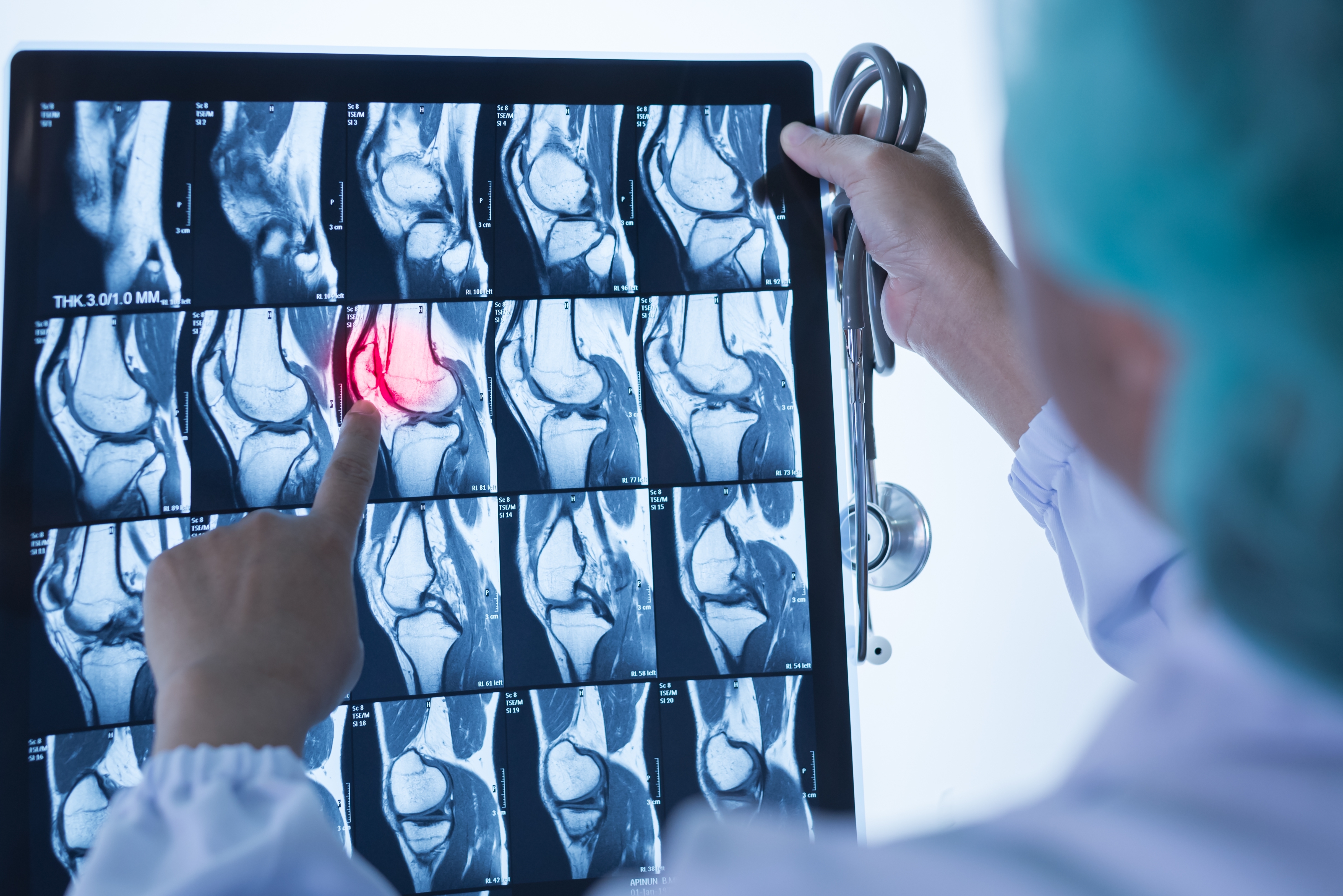
X-ray · CT · MRI
X-ray for size templating, CT for tibial bone measurements, MRI to assess articular cartilage and ligament integrity. Donor allograft ordered from a certified tissue bank.
Consultant Surgeon
Dr. Mohammad Ashfaq Konchwalla
FRCS (Eng), FRCS (Glas), FRCS (Tr & Ortho) — British-trained orthopaedic & sports surgery specialist
Location
Medcare Hospital, Dubai
State-of-the-art arthroscopic surgical facility in Dubai
Book
Appointments Within 48 Hours
WhatsApp or call +971 56 657 7007
The Meniscus

Why the Meniscus is Irreplaceable

The meniscus is a C-shaped wedge of fibrocartilage that sits between the rounded femoral condyle and the flat tibial plateau in each compartment of the knee. Each knee has two menisci — medial (inner) and lateral (outer). Together they perform five essential biomechanical functions that no other structure can replicate.

The menisci transmit 50–70% of the total compressive knee load, distributing force over a 2–3× larger contact area. Without the meniscus, contact stresses on the tibial cartilage increase by 200–300%.
Circumferential collagen fibres generate hoop stresses that absorb and attenuate impact loading — protecting articular cartilage from high-frequency repetitive stress during running, jumping, and pivoting.
The medial meniscus acts as a secondary stabiliser against anterior tibial translation — contributing 25% of restraint in the ACL-intact knee and up to 50% in the ACL-deficient knee.
Mechanoreceptors within the meniscal tissue provide neural feedback about joint position and loading — contributing to coordinated muscular protection against re-injury during sporting activity.
The menisci distribute synovial fluid across articular surfaces, lubricating cartilage and delivering the nutrients on which the avascular cartilage depends for survival and self-repair.
Why Choose MAT?

The Clinical Benefits of Meniscal Transplantation

Meniscal allograft transplantation is the only procedure that biologically restores the lost meniscus — addressing the root cause of post-meniscectomy pain rather than simply managing symptoms.

Over 85% of patients report significant reduction in medial or lateral compartment pain following successful meniscal transplantation, with many returning to sport and high-demand activities that were previously impossible due to persistent post-meniscectomy pain.
By restoring normal load distribution across the tibial plateau, the transplanted meniscus reduces peak contact stresses on articular cartilage — slowing the rate of cartilage degradation and potentially delaying compartment osteoarthritis by years or decades.
The allograft meniscus is a biological structure that vascularises and integrates into the host knee over 3–6 months — providing a potentially permanent functional restoration, unlike mechanical spacers or prosthetic implants that degrade over time.
Most patients are able to return to recreational sport and physical activity following meniscal transplantation — swimming, cycling, tennis, football, and cricket — activities that post-meniscectomy pain had previously made impossible or severely limited.
In the right patient, successful meniscal transplantation may delay partial or total knee replacement surgery by 10–20 years — preserving natural knee biomechanics and bone stock for an eventual replacement if needed later in life.
Types & Indications

When is Meniscal Transplantation Indicated?

Meniscal allograft transplantation is a highly specific procedure with well-defined indications. Dr. Konchwalla assesses each patient individually to determine whether transplantation is appropriate and what additional concurrent procedures are required to optimise the outcome.

Post-Meniscectomy Syndrome (Medial)
The most common indication for medial meniscal allograft transplantation. Patients who have undergone previous partial or total medial meniscectomy develop persistent medial-sided knee pain, joint line tenderness, swelling with activity, and progressive medial compartment narrowing on X-ray. The medial meniscus bears approximately 50% of the medial compartment load — its complete absence increases contact pressure by up to 300%. Transplantation is the only biological solution to restore load distribution and protect remaining cartilage in these young, active patients who have failed conservative management.
Key Facts
Compartment
Medial (Inner)
Load Bearing
50% of medial compartment
Pressure Increase
Up to 300% without meniscus
Most Common In
Post-meniscectomy patients
Post-Meniscectomy Syndrome (Lateral)
Lateral meniscal allograft transplantation is indicated for patients who have undergone previous total or near-total lateral meniscectomy. The lateral meniscus transmits up to 70% of lateral compartment compressive force — making its loss particularly damaging to the lateral tibial cartilage. This commonly affects athletes who sustained combined ACL and lateral meniscus injuries, patients with discoid lateral meniscus excision, and patients following lateral meniscal root tears. Lateral transplantation is technically more demanding due to the greater mobility of the lateral tibial plateau and the associated popliteus tendon anatomy.
Key Facts
Compartment
Lateral (Outer)
Load Bearing
Up to 70% of lateral compartment
Complexity
Technically more demanding
Common In
Athletes with ACL + lateral meniscus injuries
Irreparable Meniscal Root Tears
Meniscal root tears — complete avulsions at the posterior horn attachment of the medial or lateral meniscus — cause biomechanical failure equivalent to total meniscectomy, as the meniscal hoop stress mechanism is disrupted and the meniscus extrudes from the joint. Chronic root tears with significant meniscal extrusion (over 3 mm on MRI), degenerative tissue quality, or failed prior repair may be irreparable. These patients present with sudden onset compartment pain after pivoting or squatting, progressive joint line pain, and medial compartment narrowing on standing X-ray. Transplantation restores the critical hoop stress function that root tears eliminate.
Key Facts
Mechanism
Posterior horn avulsion
Extrusion Threshold
Over 3 mm on MRI
Biomechanical Effect
Equivalent to total meniscectomy
Presentation
Sudden onset compartment pain
Discoid Meniscus Requiring Total Excision
A discoid meniscus is a congenital abnormality where the meniscus forms a larger disc-shape rather than the normal C-shape — most commonly affecting the lateral meniscus. Discoid menisci are prone to complex tears that may require near-total excision, producing biomechanical consequences equivalent to total meniscectomy. In young patients with near-total discoid meniscectomy and symptomatic lateral compartment pain, lateral allograft transplantation offers biological restoration of the lateral cushion and protection of the tibial cartilage surface throughout the patient's remaining sporting career.
Key Facts
Type
Congenital abnormality
Most Common
Lateral meniscus
Treatment
Lateral allograft transplantation
Population
Young patients
Combined MAT with ACL Reconstruction
Meniscal allograft transplantation is frequently combined with ACL reconstruction in patients who sustained a combined ACL tear and total medial meniscal tear — a devastating injury pattern leaving the knee both ligamentously unstable and devoid of its primary medial load distributor. Concurrent ACL reconstruction and medial meniscal transplantation at the same surgical sitting restores both the static ligamentous restraint of the ACL and the dynamic load-distributing function of the medial meniscus, reducing total rehabilitation time and providing an optimal biological healing environment for both grafts simultaneously.
Key Facts
Approach
Single surgical sitting
Restores
Stability + load distribution
Rehabilitation
Combined protocol
Return to Sport
6–9 months
Combined MAT with Cartilage Restoration
Meniscal transplantation is increasingly performed alongside articular cartilage restoration — including microfracture, OATS/mosaicplasty, autologous chondrocyte implantation (ACI), or DeNovo cartilage grafting — in patients with concurrent focal cartilage defects. Restoring the meniscus without addressing concurrent cartilage damage risks transplant failure due to ongoing abnormal contact stress; similarly, cartilage repair without restoring the meniscal shock absorber reduces graft longevity. Dr. Konchwalla's expertise in both meniscal and cartilage surgery allows combined biological knee restoration for the best possible long-term outcome.
Key Facts
Techniques
Microfracture, OATS, ACI, DeNovo
Rationale
Meniscus + cartilage synergy
Goal
Combined biological restoration
Outcome
Best long-term graft longevity
Surgical Process

Your Meniscal Transplant — Step by Step

Meniscal allograft transplantation requires meticulous preoperative planning, precise intraoperative technique, and a structured rehabilitation programme. Dr. Konchwalla's world-leading experience ensures every step is performed to the highest standard.

01

Preoperative Sizing & Allograft Selection

Planning
Precise size-matching is the most critical factor in transplant success. Dr. Konchwalla measures the tibial plateau on X-ray and CT, assesses cartilage quality and ligament integrity on MRI, then selects a size-matched donor allograft from a certified tissue bank. All donor grafts are rigorously screened for infectious diseases. Surgery only proceeds once the confirmed allograft is ready and all measurements verified.
X-ray CT Scan MRI Tissue Bank
Tolerance
Within 5%
Screening
Infectious Disease Panel
Source
Certified Tissue Bank
02

Arthroscopic Assessment & Joint Preparation

Surgery
Under general or spinal anaesthesia, standard arthroscopic portals are created and a thorough diagnostic arthroscopy performed — confirming meniscal loss extent, assessing all articular cartilage grades, and identifying concurrent pathology. The remnant meniscal tissue is trimmed to a minimal peripheral rim. Tibial attachment footprints are identified and bone tunnels or slots prepared for bone-plug or bone-bridge fixation.
Arthroscopy Cartilage Assessment Bone Tunnels
Anaesthesia
General or Spinal
Approach
Arthroscopic Portals
03

Allograft Preparation & Implantation

Surgery
The donor meniscus is prepared on a back table — trimmed to the precise tibial footprint dimensions and fitted with a bone plug or bone bridge connecting both horn attachments. Sutures are pre-placed through anterior and posterior horns. The prepared allograft is introduced through a small 2–3 cm accessory incision under arthroscopic guidance and pulled into anatomical position. Bone fixation is secured with interference screws anchoring both horns at their correct attachment points.
Bone Plug Suture Fixation 2–3 cm Incision
Fixation
Interference Screws
Incision
2–3 cm Accessory
04

Peripheral Fixation & Closure

Completion
The peripheral rim of the allograft is sutured to the joint capsule using inside-out, outside-in, and all-inside suture techniques — ensuring circumferential attachment that promotes vascular ingrowth and biological healing. Any concurrent procedures — cartilage repair, ligament reconstruction — are completed. Portals and the accessory incision are closed, and a hinged knee brace is applied before waking from anaesthesia.
Inside-Out Sutures Capsule Repair Knee Brace
Technique
Multi-Suture Fixation
Post-Op
Hinged Knee Brace
90–120
Minutes
Arthroscopic
Technique
Day Case / 1 Night
Hospital Stay
3–5 Mo
Return to Sport
Book Consultation
Recovery Timeline

Rehabilitation After Meniscal Transplantation

Recovery following meniscal allograft transplantation is a gradual, carefully structured process. The transplanted meniscus requires 3–6 months to vascularise and biologically integrate into the host knee — a timeline that must be respected to protect the allograft and deliver a durable outcome.

85%+
Pain Relief Outcomes
Day 1–3
Phase 1
Immediate Post-Operative Care
Knee in hinged brace locked in extension. Crutches for partial weight-bearing. Ice and prescribed analgesia manage swelling. Ankle pumps and gentle quadriceps activation begin on Day 1 to prevent DVT and maintain muscle tone.
Week 1–3
Phase 2
Brace Protection & Gait Training
Partial weight-bearing with crutches continues. The hinged brace protects the allograft during the critical early healing phase. Supervised physiotherapy begins with passive knee flexion, patellar mobilisation, and quadriceps setting. Wound review at 10–14 days.
Week 3–6
Phase 3
Progressing Weight-Bearing
Full weight-bearing in the brace progresses from week 3. Crutches are discontinued when walking without a limp. Knee flexion progresses to 90° by week 4 and 120° by week 6. Stationary cycling, pool walking, and straight-leg resistance exercises introduced. Brace weaned from weeks 4–6.
Month 2–3
Phase 4
Return to Daily Activities
Brace discontinued for daily activities. Full knee range of motion restored. Progressive strengthening of the quadriceps, hamstrings, hip abductors, and calf commences. Swimming permitted. Return to desk work and driving at 3–4 weeks post-operatively.
Month 3–5
Phase 5
Return to Sport
Jogging introduced at 3 months progressing to running, direction changes, and sport-specific drills. Objective strength testing — confirming at least 90% limb symmetry — required before contact sport clearance. Full competitive sport targeted at 3–5 months for uncomplicated MAT, and 5–9 months for combined procedures including ACL reconstruction.
Patient Selection

Are You a Candidate for Meniscal Transplantation?

Meniscal allograft transplantation is reserved for a specific group of patients. Dr. Konchwalla conducts a thorough assessment — including clinical examination, X-ray, CT, and MRI — to confirm suitability and design an individualised surgical plan for each patient.

Ideal Candidates — Favourable Factors
  • Age 15–50 years with previous total or near-total meniscectomy
  • Persistent medial or lateral compartment knee pain despite 3–6 months of physiotherapy
  • Minimal articular cartilage damage (Outerbridge Grade 0–2, less than 2 cm² focal defect)
  • Normal lower limb alignment (neutral mechanical axis or correctable with concurrent osteotomy)
  • Stable knee ligaments (or concurrent ligament reconstruction planned)
  • BMI under 30 kg/m²
  • High functional demand and strong motivation for rehabilitation
  • Non-smoker or committed to smoking cessation prior to surgery
Unfavourable Factors — Relative Contraindications
  • Advanced compartment arthritis (Outerbridge Grade 3–4, significant joint space narrowing on X-ray)
  • Age over 50–55 with degenerative changes (assessed individually)
  • Uncorrected significant varus or valgus malalignment
  • Severe uncorrected ligamentous instability without concurrent reconstruction
  • BMI over 35 kg/m²
  • Active inflammatory arthritis or crystal arthropathy in the knee
  • Active smoking (impairs allograft vascularisation and biological healing)
  • Inability to comply with post-operative rehabilitation and weight-bearing restrictions
Your Surgeon

About Dr. Konchwalla

Dr. Mohammad Ashfaq Konchwalla is a British-trained FRCS orthopaedic and sports surgery specialist — internationally recognised for his expertise in meniscal transplantation, meniscal repair, and complex knee reconstruction.

World-Leading Meniscal Transplant Surgeon
Qualifications
FRCS (Eng), FRCS (Glas), FRCS (Tr & Ortho) — Fellow of the Royal College of Surgeons of England and Glasgow. Specialist fellowship training in sports surgery, knee reconstruction, and meniscal transplantation.
Experience
25+ years in orthopaedic and sports surgery. One of the most experienced meniscal transplant surgeons practising in the Gulf region.
Specialisation
Meniscal transplantation, meniscal repair, ACL reconstruction, cartilage restoration, complex multi-ligament knee reconstruction — combining biological and reconstructive techniques for the best long-term knee outcomes.
Conservative-First Approach
Every patient undergoes a thorough clinical and imaging assessment. Surgery is recommended only when conservative management has failed and the patient meets strict candidacy criteria for optimal outcomes.
Sports Injuries

Post-Meniscectomy Knee in Dubai's Athletes

Post-meniscectomy knee pain affects athletes across all sports in Dubai. Dr. Konchwalla provides sport-specific meniscal transplantation and return-to-play programmes for active patients and elite competitors.

Football & Rugby
Combined ACL and total medial meniscectomy from high-impact pivoting and tackle injuries. Post-meniscectomy medial compartment pain limiting cutting, sprinting, and change-of-direction demands. Combined ACL reconstruction and medial MAT performed at a single surgical sitting to restore both stability and load distribution.
🏏
Cricket
Medial meniscal root tears in fast bowlers from repetitive pivoting and delivery strides. Lateral meniscal injuries from sudden direction changes in fielding. Post-meniscectomy compartment pain significantly limiting high-demand bowling, batting, and fielding performance in club and professional cricketers.
🎾
Tennis & Squash
Lateral discoid meniscal tears requiring total lateral meniscectomy in younger players — producing severe lateral compartment pain with the rapid direction changes of court sports. Post-lateral meniscectomy syndrome after emergency meniscal excision — allograft transplantation restores the lateral cushion needed for court sport return.
🏋️
CrossFit & Martial Arts
Medial meniscal root tears from heavy deep squatting in CrossFit and Olympic lifting athletes. Posterior horn meniscal tears from grappling positions in BJJ and MMA athletes requiring meniscectomy, followed by persistent post-meniscectomy pain limiting the high-demand squatting and rotational loading of mat sports.
FAQs

Frequently Asked Questions

Common questions about meniscal allograft transplantation in Dubai — answered by Dr. Konchwalla's team at Dubai Sports Surgery.

Ideal candidates are young to middle-aged patients (15–50 years) who have had a previous total or near-total meniscectomy and suffer from persistent compartment knee pain despite conservative treatment. Key criteria include minimal articular cartilage damage (Outerbridge Grade 0–2), normal or correctable knee alignment, a stable or correctable ligamentous environment, and a BMI under 30. Dr. Konchwalla conducts a thorough clinical and imaging assessment — including X-ray, CT, and MRI — to confirm suitability at consultation.
The donor meniscus (allograft) is obtained from an internationally accredited tissue bank. Cadaveric donor menisci undergo rigorous infectious disease screening, serological testing, and sterile processing before storage as fresh-frozen or cryopreserved tissue. The graft is size-matched using preoperative X-ray and CT measurements and ordered specifically for each patient. There is no immune rejection risk — the meniscus is avascular and contains no blood vessels, so it does not trigger an immune response. No immunosuppressive drugs are needed.
Recovery follows a structured protocol. Knee brace and partial weight-bearing: 2–3 weeks. Full weight-bearing: from week 3. Return to daily activities: 3–4 weeks. Jogging: 3 months. Return to recreational sport: 3–4 months. Return to contact sport: 4–5 months for uncomplicated MAT. Combined MAT with ACL reconstruction or cartilage repair requires 6–9 months. The transplanted meniscus requires 3–6 months for biological integration — this timeline must be respected.
Meniscal transplantation is designed to reduce the rate of articular cartilage degeneration by restoring normal load distribution across the tibial plateau. It does not reverse existing cartilage damage, but may significantly slow the progression of compartment arthritis — potentially deferring knee replacement by 10–20 years in the right patient. Best outcomes are achieved before significant cartilage deterioration. This is why early referral following total meniscectomy is strongly recommended for young, active patients.
Yes. Dr. Konchwalla performs meniscal allograft transplantation using an entirely arthroscopic technique with only a small 2–3 cm accessory incision alongside standard arthroscopic portals. The arthroscopic approach minimises surgical trauma, reduces post-operative pain and recovery time, allows a thorough diagnostic arthroscopy of the entire knee, and provides a superior cosmetic outcome compared to open surgery.
Precise size-matching is critical to transplant success. Dr. Konchwalla uses a standardised protocol: standing X-ray provides mediolateral and anteroposterior tibial plateau dimensions; CT scan provides the most accurate bone measurements for allograft bone-plug sizing; MRI assesses cartilage quality and existing meniscal anatomy. Measurements are cross-referenced against the tissue bank's allograft inventory to identify a graft within a 5% dimensional tolerance. A graft too large causes meniscal extrusion; a graft too small fails to restore load distribution adequately.
Standard surgical risks include infection, bleeding, DVT, and wound healing problems — all uncommon. Procedure-specific risks include graft failure (the transplanted meniscus tears or fails to integrate), graft extrusion (meniscus migrates out of position), and re-tear requiring revision surgery. Success rates — defined as significant pain relief and return to function at 5 years — are 75–85% in appropriately selected patients. Dr. Konchwalla discusses the full risk profile with every patient at consultation, ensuring each candidate's benefits clearly outweigh the risks before proceeding.
Yes. Combined ACL reconstruction and meniscal allograft transplantation is one of Dr. Konchwalla's specialist surgical procedures — preferred in patients with a concurrent ACL-deficient knee and previous total medial meniscectomy. This combined approach restores ligamentous stability and meniscal load distribution simultaneously, providing an optimal biological healing environment for both grafts. Rehabilitation is tailored to the combined procedure, with return to sport typically targeted at 6–9 months.
MENISCUS
Book the Best Dubai Sports Surgeon

Consult Dr. Ashfaq Konchwalla
Reclaim Your Knee

Whether you have persistent knee pain after a previous meniscectomy, a confirmed meniscal root tear, or an athlete's knee that has been written off — Dr. Mohammad Ashfaq Konchwalla, the best Dubai sports surgeon, can help. As a British-trained orthopaedic & sports surgery specialist, he will assess your knee, review your imaging, and advise on the best possible pathway to restoring your function. Appointments available within 48 hours at Medcare Hospital, Dubai.