Dubai, UAE +971 56 774 1007 WhatsApp
Home About
All Services ACL Surgery PCL Surgery Knee Arthroscopy Shoulder Arthroscopy Ankle Arthroscopy Elbow Arthroscopy Hip Arthroscopy Wrist Arthroscopy ACL Tear Treatment Rotator Cuff Tear Meniscus Transplant
Media
Picture Gallery Testimonials Contact 📅 Book Appointment
07
Arthroscopic Surgery · Dubai

Hip Arthroscopy

Minimally invasive keyhole surgery for hip labral tears, femoroacetabular impingement, cartilage damage, and hip joint conditions — performed by British-trained orthopaedic surgeon Dr. Mohammad Ashfaq Konchwalla at Medcare Hospital, Dubai.

Labral Repair FAI Correction Hip Impingement Cartilage Damage Loose Bodies Snapping Hip
25+
Years Experience
60–120
Min Procedure
48h
Appointment Wait
FRCS
Royal College Certified
What is Hip Arthroscopy?

Keyhole Surgery for the Hip Joint

Hip arthroscopy is a minimally invasive orthopaedic surgery in which a tiny high-definition camera — an arthroscope — along with specialised surgical instruments are introduced into the hip joint through small portals of just 1–2 cm. Traction is carefully applied to the leg to create sufficient space within the tightly-constrained hip joint, allowing Dr. Konchwalla to access and treat both the central compartment (containing the acetabular labrum, cartilage, and ligamentum teres) and the peripheral compartment (containing the femoral head-neck junction and surrounding capsule) with exceptional precision. This innovative arthroscopy technique represents the gold standard for hip arthroscopy in Dubai.

The hip is a deep ball-and-socket joint — the femoral head (ball) fitting snugly within the acetabulum (socket) — lined with articular cartilage and sealed by the labrum, a ring of thick fibrocartilage that deepens the socket, provides suction-cup stability, and helps distribute forces evenly across the joint. Any disruption to the labrum, cartilage, or bony anatomy of the hip can cause persistent pain, mechanical symptoms, instability, and — if untreated — accelerated arthritis. Hip arthroscopy allows Dr. Konchwalla to directly address these problems at their source, restoring normal hip mechanics and relieving pain without the recovery burden of open hip surgery. As a sports medicine specialist Dubai, he understands how sports injury treatment in Dubai requires precise diagnosis and targeted intervention.

"Hip arthroscopy allows me to treat the full complexity of the hip joint through keyhole incisions — correcting impingement, repairing the labrum, and protecting cartilage with a precision that open surgery simply cannot match."
— Dr. Mohammad Ashfaq Konchwalla, FRCS

Hip arthroscopy is a technically demanding procedure requiring advanced specialist training and extensive surgical experience. The proximity of critical neurovascular structures — including the sciatic, femoral, and lateral femoral cutaneous nerves — combined with the depth and constrained anatomy of the hip joint demands the highest level of surgical expertise. Dr. Mohammad Ashfaq Konchwalla's FRCS training at King's College London and over 20 years of specialist orthopaedic sports surgeon in Dubai experience ensure every patient receives hip arthroscopy performed to the very highest British-trained orthopaedic & sport surgeon standards. He is recognised as the best Dubai sports surgeon for complex hip procedures.

Hip Arthroscopy Dubai — Dr. Konchwalla
Procedure Type
Arthroscopic (Keyhole)
2–3 portals of 1–2 cm. Central and peripheral compartments accessed with traction.
Duration
60 – 120 Minutes
Straightforward loose body removal is quicker; labral repair with FAI correction takes longer.
Anaesthesia
General or Spinal
Combined with peripheral nerve block for 12–24hr post-op pain control.
Hospital Stay
Day Case or One Night
Most hip arthroscopy procedures are performed as day surgery.
Post-Op Support
Crutches 2–4 Weeks
Partial weight-bearing initially. Physiotherapy begins within the first week.
Location
Medcare Hospital, Dubai
22A Street, From Sheikh Zayed Road, 2nd Interchange.
Consultant Surgeon
Dr. Mohammad Ashfaq Konchwalla
FRCS (Eng) · FRCS (Glas) · FRCS (Tr & Ortho) — trained at King's College London
Location
Medcare Hospital Dubai
22A Street, from Sheikh Zayed Road, 2nd Interchange, Dubai UAE
Book a Consultation
Appointments typically available within 48 hours
Hip Anatomy

Understanding Your Hip

The hip joint is a deep ball-and-socket joint formed by the spherical femoral head sitting within the cup-shaped acetabulum of the pelvis. It is the largest weight-bearing joint in the body, transmitting forces two to three times body weight during normal walking and up to eight times body weight during sport. Understanding the hip's complex anatomy is essential to understanding why impingement, labral tears, and cartilage damage develop — and why arthroscopic correction must be performed with the highest surgical precision. As a consultant orthopaedic surgeon Dubai, Dr. Konchwalla uses this knowledge to deliver innovative arthroscopy in Dubai.

A fibrocartilaginous ring that deepens the hip socket, creating the joint's suction-seal and distributing articular forces. Labral tears are one of the most common causes of hip pain in active adults and athletes, causing deep groin pain, clicking, catching, and a feeling of the hip giving way.
Smooth hyaline cartilage lining both the femoral head and acetabulum, enabling frictionless movement. Damage can develop from trauma, untreated FAI, or osteochondritis dissecans, causing deep aching pain and progressive loss of smooth movement.
The site of cam lesions in femoroacetabular impingement (FAI). An extra bump of bone on the femoral head-neck junction jams against the acetabular rim during hip flexion. Osteoplasty here restores normal clearance during hip movement.
The iliofemoral, ischiofemoral, and pubofemoral ligaments provide passive stability and guide normal joint mechanics. The ligamentum teres connects the femoral head to the acetabular floor and can tear in athletes. Critical neurovascular structures — the sciatic, femoral, and lateral femoral cutaneous nerves — require meticulous portal placement.
Benefits

Why Choose Arthroscopic Hip Surgery?

2–3 small portals of 1–2 cm versus the large incisions and muscle detachment of open hip surgery — preserving the surrounding muscles and tendons critical for hip function.
Return to desk work in 2–4 weeks and full competitive sport in 4–6 months for most procedures — significantly quicker than the extended rehabilitation required after open hip surgery.
Lower risk of post-operative infection, blood clots, and wound complications compared to open hip surgery. Hip arthroscopy also avoids the risks associated with hip dislocation required in some open approaches.
Hip arthroscopy corrects the underlying structural abnormality — reshaping impingement bone and repairing the labrum — not just the symptoms. This protects the hip from further cartilage damage and delays or prevents arthritis progression.
Modern arthroscopes provide magnified, high-definition images of the joint interior — often revealing pathology invisible on MRI and enabling more complete and precise surgical treatment of labral tears, cartilage damage, and impingement.
If additional pathology is discovered during surgery, Dr. Konchwalla can address it in the same session — labral repair, FAI correction, loose body removal, and cartilage treatment all performed through the same small portals.
Conditions Treated

What Can Hip Arthroscopy Treat?

Dr. Konchwalla uses hip arthroscopy in Dubai to treat a comprehensive range of hip conditions — from sports-related labral tears and impingement in young active patients to degenerative cartilage damage and mechanical hip problems that limit mobility and quality of life. As a hip arthroscopy specialist in Dubai, he provides expert diagnosis and total hip arthroscopy in Dubai solutions. Select a condition below to learn more.

Hip Labral Tear (Acetabulo-Labral Repair)

The acetabular labrum is a ring of firm fibrocartilage that runs around the rim of the hip socket, providing both static and dynamic hip stability, distributing load across the joint surface, and creating a fluid seal that maintains lubrication. Labral tears — a split, fraying, or detachment of this tissue — are one of the most common causes of hip pain in active adults and athletes. They cause deep groin pain (often described as a "C-sign" pain with the hand gripping the side of the hip), clicking, catching, and a feeling of the hip giving way. Labral tears are caused by acute sporting injuries, femoroacetabular impingement (abnormal bone contact), hip instability, or repetitive torsional loading. Dr. Konchwalla performs arthroscopic labral repair — reattaching or reconstructing the torn labrum with suture anchors — restoring normal hip mechanics, relieving pain, and protecting the underlying hip cartilage. This is a leading labral tear hip surgery Dubai procedure.
At a Glance
Cause
Acute injury, FAI, instability, or overuse
Symptoms
Deep groin pain, clicking, catching, giving way
Treatment
Arthroscopic labral repair with suture anchors
Return to sport
4–6 months

Femoroacetabular Impingement (FAI)

Femoroacetabular impingement (FAI) is an abnormality in the shape of the hip bones that causes painful, repetitive contact inside the joint, damaging the labrum and cartilage over time. There are two types: cam impingement — an extra bump of bone on the femoral head-neck junction that jams against the acetabular rim during hip flexion — and pincer impingement — where the acetabular rim is over-prominent or retroverted, pinching the labrum. Many patients have a combined cam-pincer pattern. FAI is extremely common in athletes involved in sports requiring repeated deep hip flexion — footballers, martial artists, dancers, and cyclists. Arthroscopic FAI correction involves reshaping the abnormal bone (osteoplasty and rim trimming) and repairing associated labral damage in the same procedure, addressing both the underlying cause and its consequences simultaneously.
At a Glance
Cause
Abnormal bone shape (cam, pincer, or combined)
Common in
Footballers, dancers, martial artists, cyclists
Procedure
Arthroscopic osteoplasty & labral repair
Return to sport
4–6 months

Hip Loose Bodies

Loose bodies — detached fragments of bone or cartilage floating freely within the hip joint — cause unpredictable sharp pain, sudden locking of the hip, catching sensations, and progressive restriction of movement. They arise from cartilage damage, osteochondral injuries, synovial chondromatosis (a condition where the joint lining produces multiple cartilaginous nodules), or as a complication of hip impingement and OCD lesions. Unlike larger joints, loose bodies in the hip can be particularly difficult to localise and remove due to the depth of the joint. Arthroscopic hip surgery with high-definition visualisation and precise instrument control allows Dr. Konchwalla to identify and remove all loose fragments effectively — eliminating the mechanical symptoms they cause and preventing further articular cartilage damage.
At a Glance
Cause
Cartilage damage, OCD, synovial chondromatosis
Symptoms
Sharp pain, locking, catching, restricted movement
Treatment
Arthroscopic loose body removal
Recovery
2–6 weeks

Hip Cartilage Damage (Chondral Lesions)

Articular cartilage damage within the hip joint — whether on the femoral head, the acetabular surface, or both — causes deep aching hip pain, stiffness, and a progressive loss of smooth, pain-free movement. Chondral lesions can develop from a single traumatic event (such as a hip dislocation or fracture), from the chronic mechanical damage caused by untreated FAI, or from osteochondritis dissecans (OCD). When cartilage damage is identified at arthroscopy, Dr. Konchwalla can address it simultaneously through chondroplasty (smoothing of unstable cartilage edges), microfracture (stimulating fibrocartilage formation from the underlying bone), or hip cartilage repair techniques — with the goal of relieving pain, restoring joint mechanics, and delaying the progression of arthritis. This is a key part of hip joint preservation surgery Dubai.
At a Glance
Cause
Trauma, FAI, OCD, or degeneration
Symptoms
Deep aching pain, stiffness, loss of smooth movement
Treatment
Chondroplasty, microfracture, or cartilage repair
Return to sport
3–6 months

Snapping Hip Syndrome (Coxa Saltans)

Snapping hip syndrome — or coxa saltans — describes an audible or palpable snap within or around the hip during movement. There are three distinct types: external snapping hip (the iliotibial band or gluteus maximus snapping over the greater trochanter), internal snapping hip (the iliopsoas tendon clicking over the iliopectineal eminence), and intra-articular snapping (caused by loose bodies or labral tears within the joint itself). While external and internal forms are often managed with physiotherapy and injection therapy, symptomatic cases that fail conservative treatment can be addressed arthroscopically. Hip arthroscopy allows Dr. Konchwalla to perform endoscopic iliopsoas tendon release or IT band lengthening through tiny incisions with minimal recovery — eliminating the painful snapping and preserving normal hip mechanics.
At a Glance
Types
External (IT band), internal (iliopsoas), intra-articular
Symptoms
Audible snap, pain with hip movement
Treatment
Endoscopic tendon release or lengthening
Recovery
4–8 weeks

Hip Synovitis & Ligamentum Teres Tears

Chronic hip synovitis — inflammation of the hip joint's synovial lining — causes persistent deep groin pain, swelling, warmth, and stiffness. It commonly occurs in inflammatory arthropathies, following hip trauma, or in association with labral tears and FAI. Arthroscopic hip synovectomy removes the inflamed tissue comprehensively, providing superior access to all hip recesses compared to open surgery. The ligamentum teres — a strong intra-articular ligament connecting the femoral head to the acetabular floor — can also tear, causing instability, catching, and chronic hip pain particularly in athletes involved in contact sports and gymnastics. Ligamentum teres tears are diagnosed by MRI arthrogram and confirmed at arthroscopy; Dr. Konchwalla addresses them through debridement or reconstruction depending on the severity.
At a Glance
Conditions
Synovitis, ligamentum teres tears
Symptoms
Deep groin pain, swelling, instability, catching
Treatment
Synovectomy, debridement or reconstruction
Recovery
4–12 weeks
The Procedure

How Hip Arthroscopy Works

Every hip arthroscopy at Medcare Hospital Dubai follows a meticulous, stepwise surgical approach refined through two decades of specialist orthopaedic sports surgeon in Dubai practice by Dr. Konchwalla. Click any step to expand details.

01

Preparation & Imaging

Before Surgery

MRI arthrogram (contrast-enhanced MRI) confirms the diagnosis and maps the labral tear, cartilage damage, and bone morphology. Clinical examination determines FAI type. Surgical plan is finalised.

MRI ArthrogramClinical ExamSurgical Planning
Location
Medcare Hospital
Duration
45–60 min
Imaging
MRI Arthrogram + X-Ray
02

Anaesthesia & Traction

Day of Surgery

General or spinal anaesthesia combined with a peripheral nerve block. The patient is positioned on a traction table. Controlled traction is applied to distract the femoral head from the acetabulum, creating the space needed to safely insert the arthroscope.

General / Spinal AnaesthesiaNerve BlockTraction Table
Type
General or Spinal
Pain Block
Peripheral Nerve
Coverage
12–24 hours
03

Arthroscopic Visualisation

Core Procedure

Two or three small portals (1–2 cm) are created around the hip under X-ray guidance. Fluid distends the joint. The HD arthroscope is introduced, providing a complete view of the central compartment — labrum, cartilage, ligamentum teres, and acetabular floor.

1–2 cm PortalsHD ArthroscopeX-Ray Guidance
Portal Size
1–2 cm
Visualisation
HD Arthroscope
Duration
60–120 min
04

Repair, Correction & Closure

Surgical Repair

Labral repair with suture anchors, FAI bone reshaping (osteoplasty), cartilage treatment, loose body removal, or synovectomy is performed as required. Traction is released. The peripheral compartment is inspected. Portals closed with sutures.

Labral RepairOsteoplastySuture Closure
Repairs
Suture Anchors
FAI Correction
Osteoplasty
Closure
Fine Sutures
05

Recovery & Discharge

Same Day / Next Day

Patients recover in the ward before same-day or next-day discharge. Written aftercare instructions, pain management guidance, crutch walking instruction, and physiotherapy arrangements are all provided before leaving hospital.

Ward RecoveryCrutch TrainingPhysio Referral
Stay
Day Case / 1 Night
Support
Crutches + Aftercare
Follow-up
Within 2 weeks
60–120min
Procedure
1–2 cm
Portal Size
Same Day
Discharge
4–6 Mo
Return to Sport
Book Consultation
Recovery

Your Hip Recovery Timeline

Recovery from hip arthroscopy follows a structured rehabilitation programme designed by Dr. Konchwalla and delivered in partnership with specialist physiotherapists at the advanced sports injury clinic Dubai. Progression is guided by your symptoms, strength, and range of motion — not by fixed timelines alone.

4–6
Months to Sport
Days 1–3
01

Immediate Post-Op Phase

Partial weight-bearing with crutches. Ice, elevation, and prescribed analgesia for swelling and pain management. Passive hip range-of-motion exercises begin immediately to prevent stiffness.
Weeks 1–4
02

Early Rehabilitation

Physiotherapy commences within the first week. Crutch-assisted walking with progressive weight-bearing. Focus on restoring hip range of motion, activating deep hip stabilisers, and reducing swelling.
Weeks 4–8
03

Strengthening Phase

Crutches discontinued. Progressive hip, gluteal, and core strengthening programme. Return to driving (manual: 6–8 wk; automatic: 4–6 wk). Light swimming and stationary cycling introduced.
Months 3–4
04

Functional Return

Return to gym-based training, jogging, and sport-specific conditioning. Running biomechanics and movement quality assessed. Most patients return to sport-specific training by 3–4 months.
Months 4–6
05

Return to Full Sport

Competitive sport return for most hip arthroscopy procedures. Complex labral reconstructions may extend this timeline. Dr. Konchwalla reviews all patients at 6 weeks, 3 months, and 6 months post-operatively.
Your Surgeon
Why Dr. Konchwalla?

British-trained. FRCS-certified. Trusted by professional athletes across Dubai and the UAE for complex hip arthroscopy.

Qualifications
FRCS (Eng) · FRCS (Glas) · FRCS (Tr & Ortho)
Trained at King's College London and leading UK surgical centres.
Hip Surgery Experience
25+ years performing arthroscopic hip surgery — labral repairs, FAI correction, cartilage procedures, loose body removal, and synovectomy.
Athlete Expertise
Go-to hip surgeon for footballers, runners, dancers, gymnasts, and martial artists throughout the UAE and the wider region.
Conservative First Approach
Dr. Konchwalla always explores physiotherapy, injection therapy, and non-surgical management before recommending surgery.
Personalised Rehabilitation
Custom rehab programmes built around your sport, your goals, and your timeline — not a generic protocol.
Sports & Hip Injuries

Hip Arthroscopy for Athletes

The hip is central to virtually every athletic movement — from explosive sprinting and jumping to powerful kicking, rotation, and change of direction. Dr. Konchwalla, a British sport surgeon in Dubai and orthopaedic sports surgeon in Dubai, has extensive experience treating athletes at every level.

Football & Rugby

FAI from repetitive deep hip flexion and pivoting, labral tears from high-energy kicking and change-of-direction loading, hip flexor injuries, and adductor-related groin pain.
🏃

Running & Endurance

Labral tears from repetitive high-volume hip loading, snapping hip syndrome (iliopsoas), trochanteric bursitis, and stress-related hip pain from cumulative overuse.
🤸

Gymnastics & Dance

Labral tears and impingement from extreme hip range-of-motion demands, chondral lesions from repetitive hyperflexion loading, and ligamentum teres injuries.
🏏

Cricket, Golf & Racket Sports

Hip rotation-related labral tears from explosive torsional demands of batting, bowling, and swinging — combined with FAI in players with cam or pincer morphology.
FAQs

Frequently Asked Questions

Common questions about hip arthroscopy in Dubai — answered by Dr. Konchwalla's team at Dubai Sports Surgery.

Recovery depends on the procedure performed. Crutches are used for 2–4 weeks, with most patients returning to desk work within 4–6 weeks. Return to recreational sport is typically achieved at 3–4 months, and competitive sport at 4–6 months. Complex labral reconstructions or significant cartilage procedures may extend the timeline further. Dr. Konchwalla provides a personalised recovery plan at consultation.
Most hip arthroscopy procedures at Medcare Hospital Dubai are performed as day-case or next-morning discharge surgery. Patients are assessed individually — straightforward procedures allow same-day discharge while more complex cases may require one overnight stay for appropriate pain management and monitoring.
FAI occurs when abnormal bone shapes on the femoral head (cam type), the acetabular rim (pincer type), or both cause painful contact inside the hip during movement. This damages the labrum and cartilage progressively. FAI is extremely common in footballers, dancers, and athletes in rotational sports. Arthroscopic correction reshapes the bone and repairs the labrum simultaneously, addressing both the cause and its consequences in a single keyhole procedure.
Minor labral irritation may improve with physiotherapy and injection therapy. However, structural labral tears do not heal spontaneously — the labrum has a very limited blood supply and no capacity for intrinsic repair. In active patients with mechanical symptoms (catching, clicking, giving way) or persistent pain after conservative management, arthroscopic labral repair restores the labrum's seal and load-sharing function, providing lasting relief and protecting the hip cartilage.
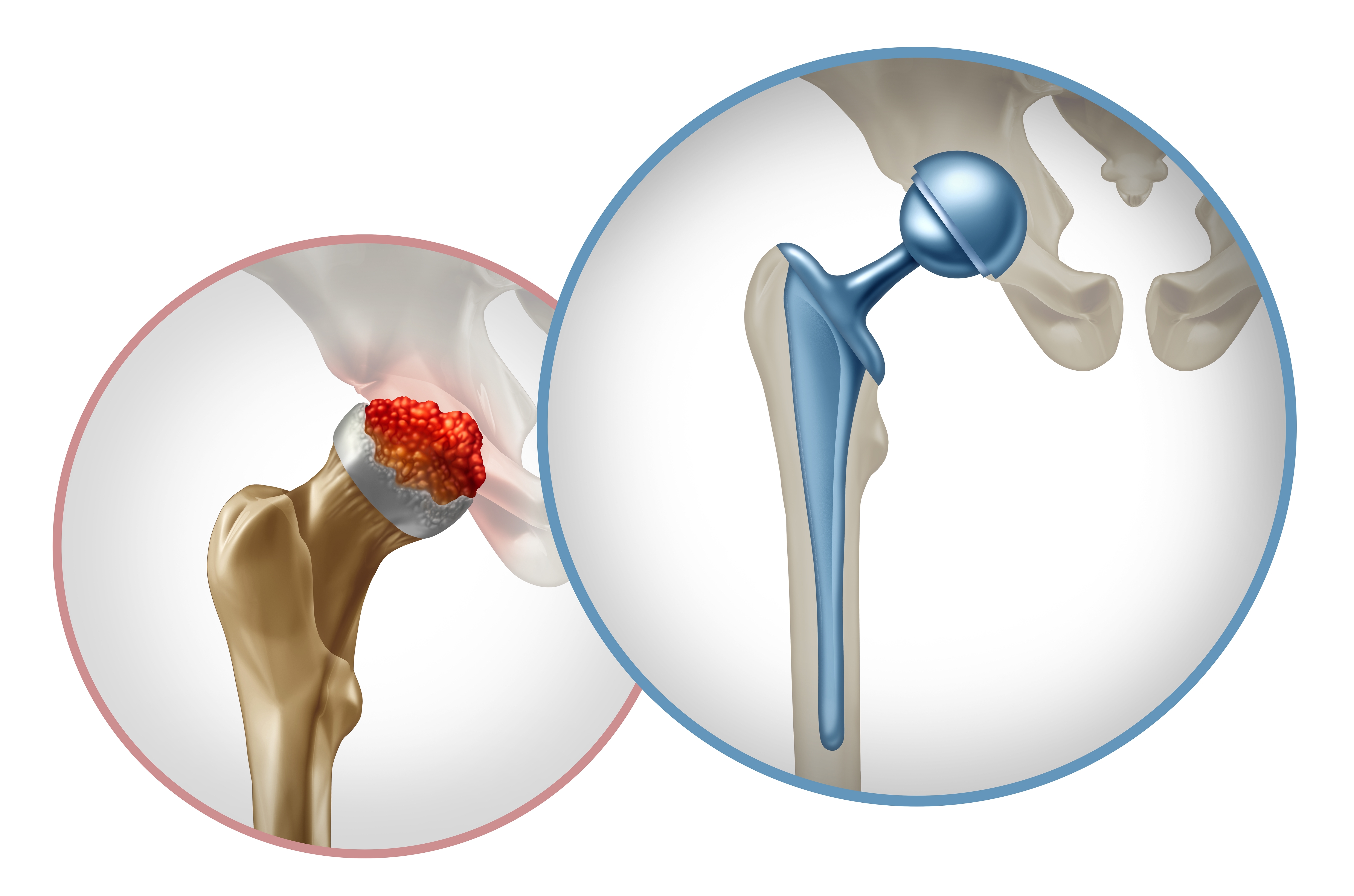
Hip arthroscopy is a joint-preserving keyhole procedure for specific problems (labral tears, FAI, loose bodies, cartilage damage) in a hip with preserved joint space. Hip replacement (arthroplasty) is a major reconstructive procedure replacing the entire femoral head and socket with prosthetic components — reserved for advanced arthritis with complete cartilage loss. Dr. Konchwalla will advise which is most appropriate based on your imaging and clinical findings.
Hip arthroscopy is a safe procedure in specialist hands, but it is technically demanding. The proximity of critical nerves and blood vessels requires meticulous portal placement and traction management. In the hands of an experienced, fellowship-trained hip specialist like Dr. Konchwalla, serious complications are rare. The most common minor complication is temporary numbness from traction, which resolves fully in the vast majority of patients.
For appropriately selected patients, hip arthroscopy is highly effective at relieving pain, restoring function, and protecting the hip from progressive cartilage damage. Correcting FAI and repairing the labrum removes the mechanical damage mechanism, significantly reducing the rate of arthritis progression. While no surgeon can guarantee a patient will never need a hip replacement, timely hip arthroscopy in the right patient substantially extends the lifespan of the native hip joint.
Yes — return to sport is a primary goal of treatment. The vast majority of athletes who undergo hip arthroscopy for labral repair, FAI correction, or loose body removal return to full competitive sport within 4–6 months. Dr. Konchwalla works with dedicated sports physiotherapists to design a return-to-sport programme specifically tailored to your sport, position, and performance demands.
Book the Best Dubai Sports Surgeon

Consult Dr. Ashfaq Konchwalla
Reclaim Your Peak

Book a consultation with Dubai's top sports surgery expert — British-trained orthopaedic & sports surgery specialist. Take the first step toward a full, confident recovery. Appointments available within 48 hours.

Location
Dubai, United Arab Emirates
Clinic Hours
Sunday – Thursday  9:00 – 17:00
Emergencies
Available on Request