Dubai, UAE +971 56 774 1007 WhatsApp
Home About
All Services ACL Surgery PCL Surgery Knee Arthroscopy Shoulder Arthroscopy Ankle Arthroscopy Elbow Arthroscopy Hip Arthroscopy Wrist Arthroscopy ACL Tear Treatment Rotator Cuff Tear Meniscus Transplant
Media
Picture Gallery Testimonials Contact 📅 Book Appointment
06
Arthroscopic Surgery · Dubai

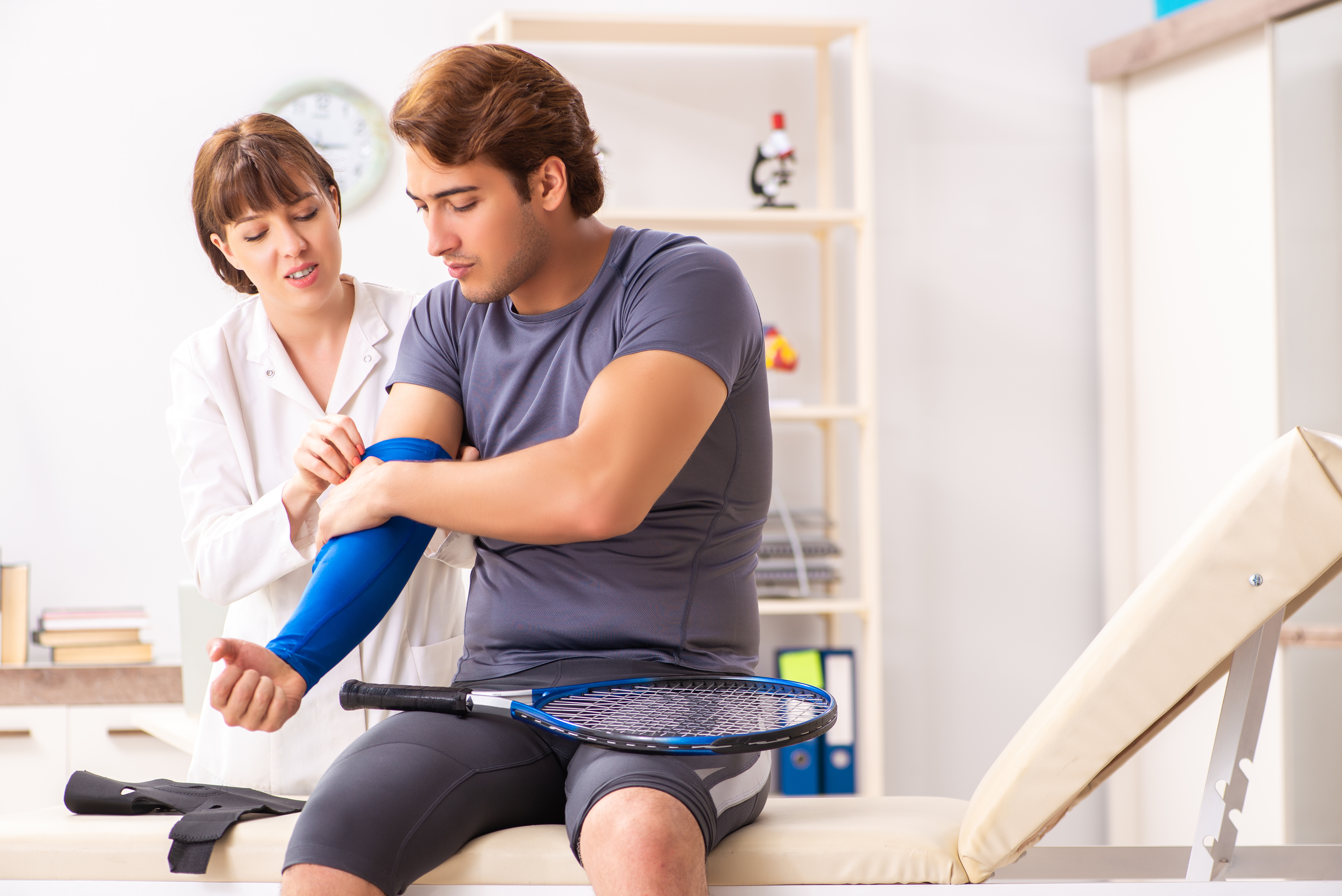
Elbow Arthroscopy

Minimally invasive keyhole surgery to diagnose and treat elbow injuries and chronic elbow pain — performed by British-trained orthopaedic surgeon Dr. Mohammad Ashfaq Konchwalla at Medcare Hospital, Dubai.

Tennis Elbow Golfer's Elbow OCD Lesions Loose Bodies Elbow Stiffness Same-Day Discharge
25+
Years Experience
45–90
Min Procedure
48h
Appointment Wait
FRCS
Royal College Certified
What is Elbow Arthroscopy?

Keyhole Surgery for the Elbow Joint

Elbow arthroscopy is a minimally invasive surgical procedure in which a tiny high-definition camera — an arthroscope — along with miniature surgical instruments are introduced into the elbow joint through small portals of just 5–8 mm. Fluid is carefully pumped into the joint to distend it and improve visualisation, allowing Dr. Konchwalla to examine all compartments of the elbow — the anterior compartment, the posterior compartment, and the lateral gutter — with exceptional clarity on a high-definition monitor.

The elbow is a complex hinge joint critical for virtually every upper limb activity — from lifting and gripping to throwing and typing. It is formed by three separate articulations between the humerus, radius, and ulna, and is surrounded by important nerves (including the radial and ulnar nerves), blood vessels, and tendons. The precision demands of elbow arthroscopy are among the highest of any joint — which is why the experience and training of the operating sports surgeon are absolutely paramount to achieving safe, excellent results.

"Elbow arthroscopy demands the highest precision of any joint — the nerves, vessels, and tight compartments require specialist experience to navigate safely and deliver excellent results."
— Dr. Mohammad Ashfaq Konchwalla, FRCS

Dr. Konchwalla's extensive fellowship training and over 20 years of specialist orthopaedic and sports surgery experience ensure that every patient receives elbow arthroscopy performed to the very highest British surgical standards. Compared to traditional open elbow surgery, arthroscopy dramatically reduces post-operative stiffness — one of the most significant complications of open elbow procedures — and allows patients to return to work, sport, and full upper limb function much sooner.

Elbow Arthroscopy Dubai — Dr. Konchwalla
Procedure Type
Arthroscopic (Keyhole)
2–4 portals of 5–8 mm. Anterior, posterior, and lateral compartments accessed as required.
Duration
45 – 90 Minutes
Simple loose body removal may be completed quickly; contracture release and OCD treatment take longer.
Anaesthesia
General or Regional
Brachial plexus nerve block provides 12–18hr post-operative pain control.
Hospital Stay
Day Case Surgery
The vast majority of elbow arthroscopy procedures are same-day surgery.
Post-Op Support
Sling for 1–2 Days
Light sling for comfort. Early active movement encouraged from day one.
Location
Medcare Hospital, Dubai
22A Street, From Sheikh Zayed Road, 2nd Interchange.
Consultant Surgeon
Dr. Mohammad Ashfaq Konchwalla
FRCS (Eng) · FRCS (Glas) · FRCS (Tr & Ortho) — trained at King's College London
Location
Medcare Hospital Dubai
22A Street, from Sheikh Zayed Road, 2nd Interchange, Dubai UAE
Book a Consultation
Appointments typically available within 48 hours
Elbow Anatomy

Understanding Your Elbow Joint

The elbow is one of the most technically demanding joints to operate arthroscopically, due to its close proximity to major nerves and vessels. Dr. Konchwalla's specialist training ensures safe, complete access to all three elbow compartments through minimal portals.

Contains the coronoid fossa, radial head, and capitellum — the sites of OCD lesions, anterior loose bodies, and elbow impingement. The radial and median nerves lie in close proximity, demanding precise portal placement and technique.
Contains the olecranon fossa and posterior elbow capsule — the primary site of posterior impingement (olecranon spurs), posterior loose bodies, and posterior capsular contracture. The ulnar nerve runs medially and must be protected throughout.
The attachment point of the wrist extensor muscles — the site of tennis elbow degeneration (lateral epicondylitis). Arthroscopic release of the extensor carpi radialis brevis (ECRB) tendon origin provides definitive treatment with minimal disruption to surrounding structures.
The medial epicondyle is the attachment of the wrist flexor-pronator muscles (site of golfer's elbow). The ulnar nerve passes behind it in a groove — making medial elbow surgery technically demanding and requiring specialist experience to protect nerve function throughout the procedure.
Benefits

Why Choose Arthroscopic Elbow Surgery?

The single most important advantage of arthroscopic elbow surgery — the minimal incisions mean less scar tissue formation, and early movement begins the very next day, protecting range of motion.
The arthroscope provides magnified, high-definition imaging of the anterior compartment, posterior compartment, and lateral gutter — areas difficult to access fully through any open incision without significant soft tissue disruption.
Elbow arthroscopy is performed as day surgery at Medcare Hospital — patients are home on the same day. No unnecessary hospital admission and no prolonged immobilisation.
Most patients return to desk work within 1–2 weeks and sport within 6–12 weeks — significantly sooner than equivalent open elbow procedures, which can require 3–6 months of restricted activity.
Unexpected pathology discovered during surgery — such as additional loose bodies or cartilage damage — can be addressed in the same session, avoiding a second operation and additional recovery period.
Small portals of 5–8 mm dramatically reduce wound-related complications and produce barely visible scars — particularly important in an area of the body regularly exposed during daily activity and sport.
Conditions Treated

What Can Elbow Arthroscopy Treat?

Dr. Konchwalla uses elbow arthroscopy in Dubai to treat a comprehensive range of elbow conditions — from painful overuse injuries in athletes and working professionals to post-traumatic stiffness and degenerative joint problems that limit upper limb function. Select a condition below to learn more.

Tennis Elbow (Lateral Epicondylitis)

Tennis elbow is caused by degeneration and micro-tearing of the extensor tendon origin at the lateral epicondyle — the bony prominence on the outer side of the elbow. Despite its name, it affects far more non-tennis players than tennis players, striking carpenters, plumbers, painters, office workers, and anyone who performs repetitive gripping and wrist extension. The pain is sharp and localised to the outer elbow, radiating into the forearm, and is aggravated by even light gripping tasks. When physiotherapy, activity modification, and injection therapy fail to resolve symptoms after 6–12 months, arthroscopic tennis elbow release — which removes the diseased tendon tissue and stimulates healing at the epicondyle — provides lasting, reliable relief with a significantly faster recovery than open surgery.
At a Glance
Cause
Repetitive gripping & wrist extension
Symptoms
Outer elbow pain, weak grip, forearm pain
Treatment
Arthroscopic tennis elbow release
Return to sport
6–8 weeks

Loose Bodies & Elbow Impingement

Loose bodies — fragments of bone or cartilage that detach and float freely within the elbow joint — are one of the most common indications for elbow arthroscopy. They cause sudden, unpredictable locking of the elbow, sharp pain, clicking sensations, and progressive loss of range of motion. They are particularly common following elbow trauma, in throwers (from repetitive valgus stress), and in patients with osteochondritis dissecans. Arthroscopic loose body removal is highly effective — the HD visualisation allows Dr. Konchwalla to locate and remove all fragments completely, immediately restoring smooth, pain-free elbow movement. Posterior elbow impingement — bone spurs at the olecranon tip — is also addressed arthroscopically in the same session.
At a Glance
Cause
Trauma, OCD, degenerative changes
Symptoms
Locking, clicking, sharp pain, loss of motion
Treatment
Arthroscopic loose body removal
Recovery
2–4 weeks to desk work; 6–8 weeks to sport

Osteochondritis Dissecans (OCD)

Osteochondritis dissecans of the elbow is a condition in which a segment of cartilage and its underlying bone on the capitellum (the rounded end of the humerus) becomes damaged and can partially or fully detach. It is strongly associated with young overhead throwing athletes and gymnasts, where repetitive compressive and shear forces exceed the joint's capacity to heal. Presentations include lateral elbow pain, swelling, loss of full extension, and mechanical locking. Dr. Konchwalla treats elbow OCD arthroscopically using debridement, microfracture to stimulate cartilage regeneration, or cartilage repair techniques — with the goal of restoring a smooth joint surface and enabling return to sport.
At a Glance
Cause
Repetitive compressive loading (throwing, gymnastics)
Common in
Young athletes, gymnasts, throwers
Treatment
Arthroscopic debridement, microfracture, cartilage repair
Return to sport
3–6 months

Golfer's Elbow (Medial Epicondylitis)

Golfer's elbow affects the flexor-pronator tendon origin at the medial epicondyle — the bony bump on the inner side of the elbow. It is caused by repetitive wrist flexion and forearm pronation, and is common in golfers, racket sports players, climbers, and manual workers. The characteristic pain is on the inner elbow and can radiate down the forearm, often accompanied by weakness in grip and tingling into the ring and little fingers (ulnar nerve irritation). Arthroscopic medial epicondyle debridement removes the degenerative tendon tissue and can simultaneously address any associated ulnar nerve irritation, providing comprehensive treatment in a single minimally invasive procedure.
At a Glance
Cause
Repetitive wrist flexion & forearm pronation
Symptoms
Inner elbow pain, weak grip, forearm tingling
Treatment
Arthroscopic medial epicondyle debridement
Return to sport
6–8 weeks

Elbow Stiffness & Contracture Release

Elbow stiffness — loss of full flexion and/or extension — is a debilitating problem that significantly impairs upper limb function. It commonly develops after elbow fractures, dislocations, burns, or prolonged immobilisation. The elbow is particularly prone to developing post-traumatic contracture because of its tight capsule and proximity of neurovascular structures. Arthroscopic capsular release — releasing the tight anterior and posterior joint capsule under direct visualisation — immediately improves range of motion in a single minimally invasive procedure. The key advantage over open release is dramatically reduced post-operative re-scarring, allowing physiotherapy to begin earlier and maintain the gained motion effectively.
At a Glance
Cause
Post-traumatic scarring, immobilisation
Symptoms
Loss of flexion/extension, functional impairment
Treatment
Arthroscopic capsular release
Recovery
Immediate ROM improvement; 3–6 months rehab

Elbow Synovitis & Cartilage Damage

Chronic synovitis — inflammation of the elbow joint lining — causes persistent pain, warmth, swelling, and a feeling of fullness in the joint. It commonly occurs in patients with rheumatoid arthritis, inflammatory arthropathies, or following repetitive elbow trauma. Arthroscopic elbow synovectomy removes the inflamed synovial tissue comprehensively through small portals, providing superior access to all elbow compartments compared to open surgery. Associated cartilage damage on the joint surfaces can be addressed simultaneously through chondroplasty and debridement — restoring smoother joint mechanics and reducing pain.
At a Glance
Conditions
Synovitis, chondral damage, inflammatory arthritis
Symptoms
Pain, swelling, warmth, joint fullness
Treatment
Arthroscopic synovectomy & chondroplasty
Recovery
4–8 weeks
The Procedure

How Elbow Arthroscopy Works

Every elbow arthroscopy procedure at Dubai Sports Surgery follows a structured, transparent pathway — from your first consultation to your safe return to sport and full upper limb function — all guided by Dr. Konchwalla. Click any step to expand details.

01

Pre-Surgical Assessment

Before Surgery

MRI scans, X-rays, and a thorough clinical examination of the elbow confirm the precise diagnosis. Dr. Konchwalla explains all findings in detail and ensures the patient understands the planned procedure and realistic outcomes before consent is obtained.

MRI ScanX-RayClinical Exam
Location
Medcare Hospital
Duration
45–60 min
Imaging
MRI + X-Ray
02

Anaesthesia & Positioning

Day of Surgery

General anaesthesia is administered with a brachial plexus nerve block for excellent post-operative pain control. The patient is positioned carefully — either supine or lateral — to allow safe access to all elbow compartments.

General AnaesthesiaBrachial Plexus Block12–18hr Pain Cover
Type
General + Regional
Pain Block
Brachial Plexus
Coverage
12–18 hours
03

Arthroscopic Surgery

Core Procedure

2–4 small portals (5–8 mm) are created around the elbow. Fluid distends the joint for visualisation. The arthroscope delivers HD imaging of all three compartments. Loose bodies are removed, tendons released, bone spurs excised, or cartilage repaired as required.

5–8 mm PortalsHD ArthroscopePrecision Instruments
Portal Size
5–8 mm
Visualisation
HD Arthroscope
Duration
45–90 min
04

Closure & Dressing

Post-Op

Portals are closed with fine sutures or adhesive strips. A light compressive dressing is applied. The procedure typically takes 45–90 minutes from first portal to final closure, depending on the complexity of findings and treatment performed.

Fine SuturesLight Dressing45–90min Total
Closure
Fine Sutures
Support
Light Dressing
Total Time
45–90 min
05

Early Movement & Discharge

Same Day

Early active elbow movement is strongly encouraged from day one to prevent post-operative stiffness. Patients are given a light sling for comfort and discharged the same day with detailed written aftercare instructions and physiotherapy referral.

Active Movement Day 1Written AftercarePhysio Referral
Stay
Day Case
Support
Sling + Aftercare
Follow-up
Within 2 weeks
45–90min
Procedure
5–8mm
Portal Size
Same Day
Discharge
6–8 Wk
Return to Sport
Book Consultation
Recovery

Your Elbow Recovery Timeline

Recovery after elbow arthroscopy depends on the specific procedure performed. Dr. Konchwalla provides every patient with a tailored rehabilitation programme. A critical principle in elbow recovery is early active movement — the elbow is uniquely susceptible to post-operative stiffness, and physiotherapy should begin within days of surgery to protect the range of motion gained.

6–8
Weeks to Sport
Days 1–3
01

Early Active Movement Begins

Light sling used for comfort only — not immobilisation. Active elbow flexion and extension exercises begin immediately to prevent stiffness. Nerve block provides excellent initial pain control.
Weeks 1–2
02

Wound Review & Physiotherapy

Sutures reviewed and removed at 10–14 days. Formal physiotherapy begins with progressive range-of-motion exercises. Swelling and bruising reduce significantly. Most patients return to desk work.
Weeks 2–6
03

Strengthening & Functional Recovery

Progressive strengthening of forearm, wrist, and elbow muscles. Return to light manual work for tennis/golfer's elbow patients. Driving typically permitted from 2–3 weeks.
Weeks 6–12
04

Return to Sport & Heavy Activity

Return to racket sport, golf, throwing, and gym activities for most procedures. Grip strength and full range of motion should approach pre-operative or better levels.
3–6 Months
05

Full Return for Complex Procedures

OCD treatment, contracture release, and significant cartilage procedures require a longer rehabilitation period. Return-to-sport clearance is based on functional milestones, not simply time elapsed.
Your Surgeon
Why Dr. Konchwalla?

British-trained. FRCS-certified. Trusted by professional athletes across Dubai and the UAE.

Qualifications
FRCS (Eng) · FRCS (Glas) · FRCS (Tr & Ortho)
Trained at King's College London. Fellowship-trained in upper limb and sports surgery.
Elbow Surgery Experience
25+ years of specialist orthopaedic and sports surgery — including complex elbow arthroscopy for OCD, contracture, tennis and golfer's elbow, and loose body removal.
Sports Expertise
Trusted elbow surgeon for cricketers, golfers, tennis players, gymnasts, and rugby players — athletes whose careers depend on full elbow function.
Conservative First Approach
Dr. Konchwalla always trials physiotherapy, injection therapy, and activity modification before recommending surgical intervention for elbow conditions.
Personalised Rehabilitation
Custom rehabilitation programmes designed around your sport, profession, and functional goals — with a focus on protecting elbow motion from day one.
Sports & Elbow Injuries

Elbow Arthroscopy for Athletes

The elbow is at the centre of almost every throwing, hitting, and racket sport movement. Dr. Konchwalla has extensive experience treating athletes from grassroots to professional level.

🏏

Cricket

Loose bodies from repetitive valgus stress in fast bowlers, OCD lesions of the capitellum in young cricketers, lateral epicondylitis, and medial elbow ligament injuries.
🎾

Tennis & Racket Sports

Tennis elbow (lateral epicondylitis) from backhand stroke mechanics, posterior elbow impingement, loose bodies from repetitive high-velocity impact loading.

Golf

Golfer's elbow (medial epicondylitis) from the impact of the golf swing, elbow stiffness, and degenerative joint changes from high-volume practice repetition.
🤸

Gymnastics & Throwing Sports

OCD lesions of the capitellum in gymnasts from repetitive compressive loading, elbow contracture from repetitive hyperextension, and posterior impingement in overhead throwers.
FAQs

Frequently Asked Questions

Common questions about elbow arthroscopy in Dubai — answered by Dr. Konchwalla's team at Dubai Sports Surgery.

Recovery depends on the procedure performed. Tennis elbow release and loose body removal typically allow return to desk work in 1–2 weeks and sport in 6–8 weeks. Contracture release and OCD treatment may require 3–6 months of physiotherapy. Early active movement from day one is critical for all elbow procedures.
Yes. Elbow arthroscopy is performed as same-day day-case surgery at Medcare Hospital Dubai. Most patients are discharged within a few hours of their procedure, going home the same day with a light dressing and written aftercare instructions.
Elbow arthroscopy for tennis elbow is typically considered after 6–12 months of failed conservative treatment — including physiotherapy, activity modification, and injection therapy. Dr. Konchwalla will always exhaust non-surgical options first. When surgery is appropriate, arthroscopic release provides excellent lasting relief with a faster recovery than open techniques.
Elbow arthroscopy is technically more demanding than other joint arthroscopies because major nerves (radial, median, ulnar) lie in close proximity to the standard portals. In the hands of an experienced, specialist elbow surgeon like Dr. Konchwalla, the procedure is very safe — nerve injury is rare and the risk is well below that of equivalent open elbow surgery.
Tennis elbow affects tendons on the outer (lateral) side of the elbow — caused by repetitive wrist extension and gripping. Golfer's elbow affects tendons on the inner (medial) side — caused by repetitive wrist flexion and forearm rotation. Both cause pain, weakness, and impaired grip. Both are treated arthroscopically by Dr. Konchwalla when conservative management fails.
The elbow is the joint most prone to post-operative stiffness in the entire body. Even brief immobilisation can lead to capsular contracture and significant loss of range of motion. This is why Dr. Konchwalla prescribes active movement exercises from day one — the primary advantage of arthroscopy over open surgery is precisely this ability to begin moving the joint immediately after the procedure.
Yes. Arthroscopic loose body removal from the elbow is highly effective. The HD visualisation and access to all three elbow compartments allow Dr. Konchwalla to identify and remove all loose bodies completely — eliminating the locking, clicking, and pain they cause. Most patients experience immediate improvement in elbow movement following the procedure.
Yes — return to sport is a primary goal of treatment. For most elbow arthroscopy procedures, athletes return to sport-specific training within 6–8 weeks and competitive sport within 3 months. Dr. Konchwalla works with dedicated sports physiotherapists to design a return-to-sport programme tailored specifically to your sport and performance demands.
Book the Best Dubai Sports Surgeon

Consult Dr. Ashfaq Konchwalla
Reclaim Your Peak

Book a consultation with Dubai's top sports surgery expert — British-trained orthopaedic & sports surgery specialist. Take the first step toward a full, confident recovery. Appointments available within 48 hours.

Location
Dubai, United Arab Emirates
Clinic Hours
Sunday – Thursday  9:00 – 17:00
Emergencies
Available on Request